

Ancient Discovery Offers Hope for Cheetah Reintroduction in Arabia
Ancient Discovery Offers Hope for Cheetah Reintroduction in Arabia
In a remarkable archaeological find, scientists have uncovered the mummified remains of cheetahs in Saudi Arabia, dating back as far as 4,000 years. This discovery, made in the Lauga cave network near Arar, is particularly significant given that cheetahs have been locally extinct in the Arabian Peninsula for over fifty years, primarily due to hunting and habitat loss. The team from the National Center for Wildlife in Saudi Arabia excavated seven mummified cheetahs, with the remains dating from approximately 130 to 1,870 years ago. In addition to these mummies, researchers also found skeletal remains of 54 cheetahs, the oldest of which dates back around 4,000 years. This finding not only provides insight into a species that has long been absent from the Arabian landscape but also offers a glimmer of hope for future reintroduction efforts.
The Decline of the Cheetah
The cheetah, known for its incredible speed and agility, was once a common sight across various regions of Asia and Africa. However, over the last century, the global population of cheetahs has plummeted, with estimates suggesting a staggering 98% decrease in numbers. The decline of this majestic species is attributed to a combination of factors, including habitat destruction, poaching, and a reduction in prey availability. In the Arabian Peninsula, the last cheetahs are believed to have disappeared by the 1970s, primarily due to big-game hunting and the loss of their natural habitats. This makes the recent discovery in Saudi Arabia particularly poignant, as it underscores the historical presence of a species that once thrived in the region.
Genetic Insights from Ancient Remains
Researchers were able to extract complete genome sequences from three of the seven mummified cheetahs, marking a groundbreaking achievement in genetic research. The dry climate of the Lauga caves played a crucial role in preserving these ancient remains, allowing scientists to analyze the DNA of these long-gone big cats. The findings, published in the journal Communications Earth & Environment, revealed that the most recent specimen of cheetah is genetically related to the Asiatic cheetah, while the two oldest specimens show a closer genetic affinity to the critically endangered Northwest African cheetah. This connection is vital, as it suggests a broader genetic pool that could be tapped into during potential reintroduction efforts.
The Status of the Northwest African Cheetah
The Northwest African cheetah, which is critically endangered, has approximately 400 individuals remaining in the wild today, primarily inhabiting remote desert regions and the Sahara. Conservation efforts for this subspecies include breeding programs in captivity to help bolster their numbers. The discovery of their ancient relatives in Saudi Arabia could enhance the feasibility of reintroducing cheetahs to the Arabian Peninsula. This is particularly significant given that the Asiatic cheetah was previously thought to be the only subspecies that once roamed the modern-day region. The potential for reintroducing the Northwest African cheetah, which shares a lineage with the mummified specimens, adds another layer of hope to conservation efforts.
The Importance of Genetic Diversity in Conservation
The researchers involved in this groundbreaking discovery emphasize the importance of increasing genetic diversity in reintroduction programs. The presence of closely related subspecies could provide a greater chance for survival in the wild. As efforts to reintroduce cheetahs take shape, the genetic insights gained from these ancient remains may prove invaluable. The study's implications extend beyond cheetahs; it suggests that ancient DNA analysis could be utilized to resurrect other extinct species, contributing to a broader understanding of biodiversity and conservation strategies.
The Cheetah: A Unique Species
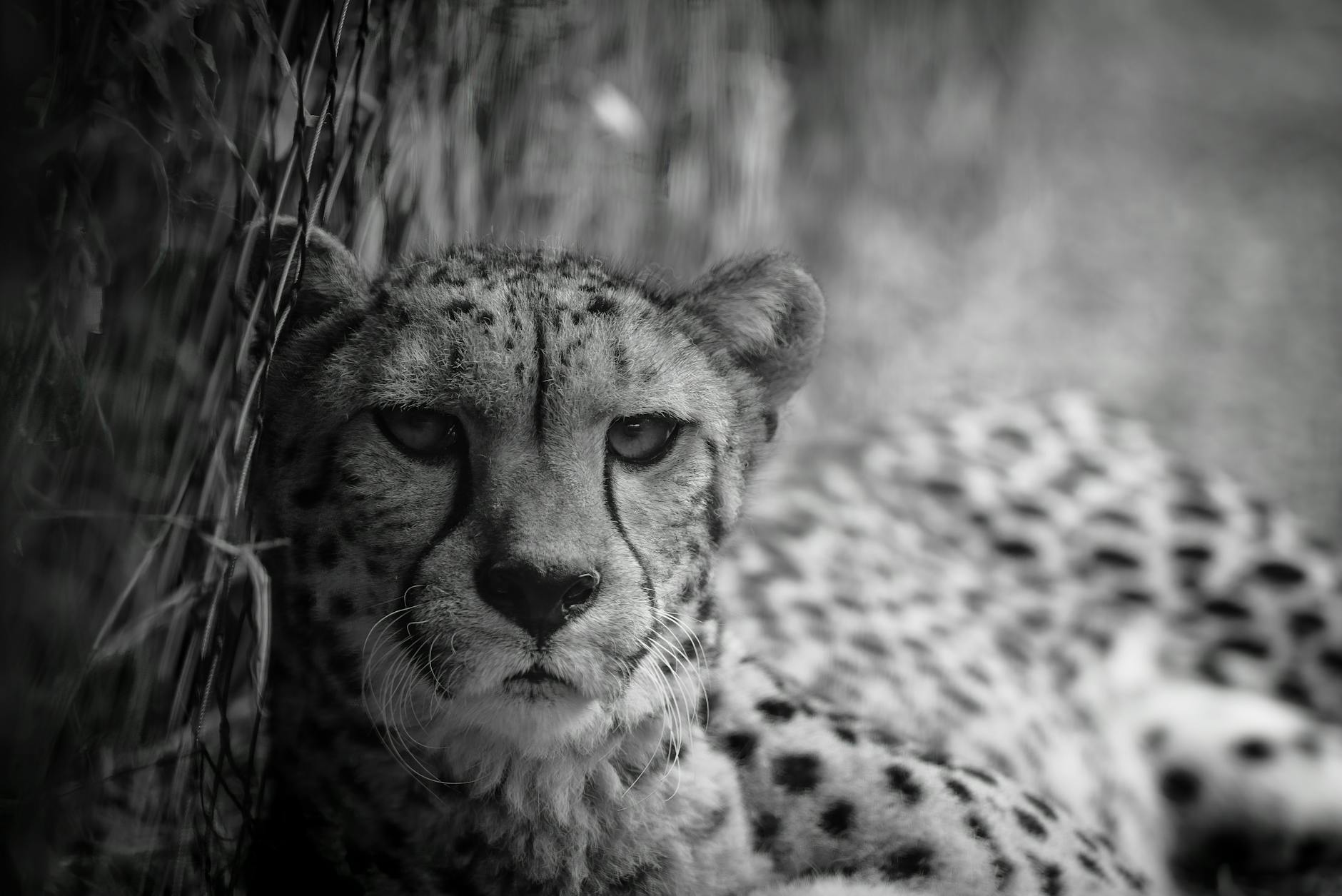
The cheetah itself is a remarkable creature, known for being the fastest land animal. Capable of sprinting at speeds between 58 to 65 miles per hour, these animals are finely adapted for speed, with powerful hindlimb muscles and a flexible spine. Their distinctive tawny fur, marked with solid black spots, makes them one of the most recognizable big cats in the world. Cheetahs typically live in social structures that include solitary males, female-led groups with their cubs, and male coalitions. They are predominantly active during the day, with peak hunting times at dawn and dusk, preying primarily on small to medium-sized ungulates.
Challenges Facing Cheetahs Today
The cheetah's vulnerability to extinction is exacerbated by several factors, including habitat loss, conflicts with humans, and susceptibility to diseases. The global population was estimated at around 6,517 individuals in 2021, and they are listed as Vulnerable on the IUCN Red List. The urgency of conservation efforts cannot be overstated, especially in light of the recent findings in Saudi Arabia. The potential to revive a population of cheetahs in the Arabian Peninsula could mark a significant milestone in wildlife conservation, restoring a piece of the region's natural heritage.
Looking to the Future