

Anthropic's Claude Code: The Future of AI Coding Takes Shape
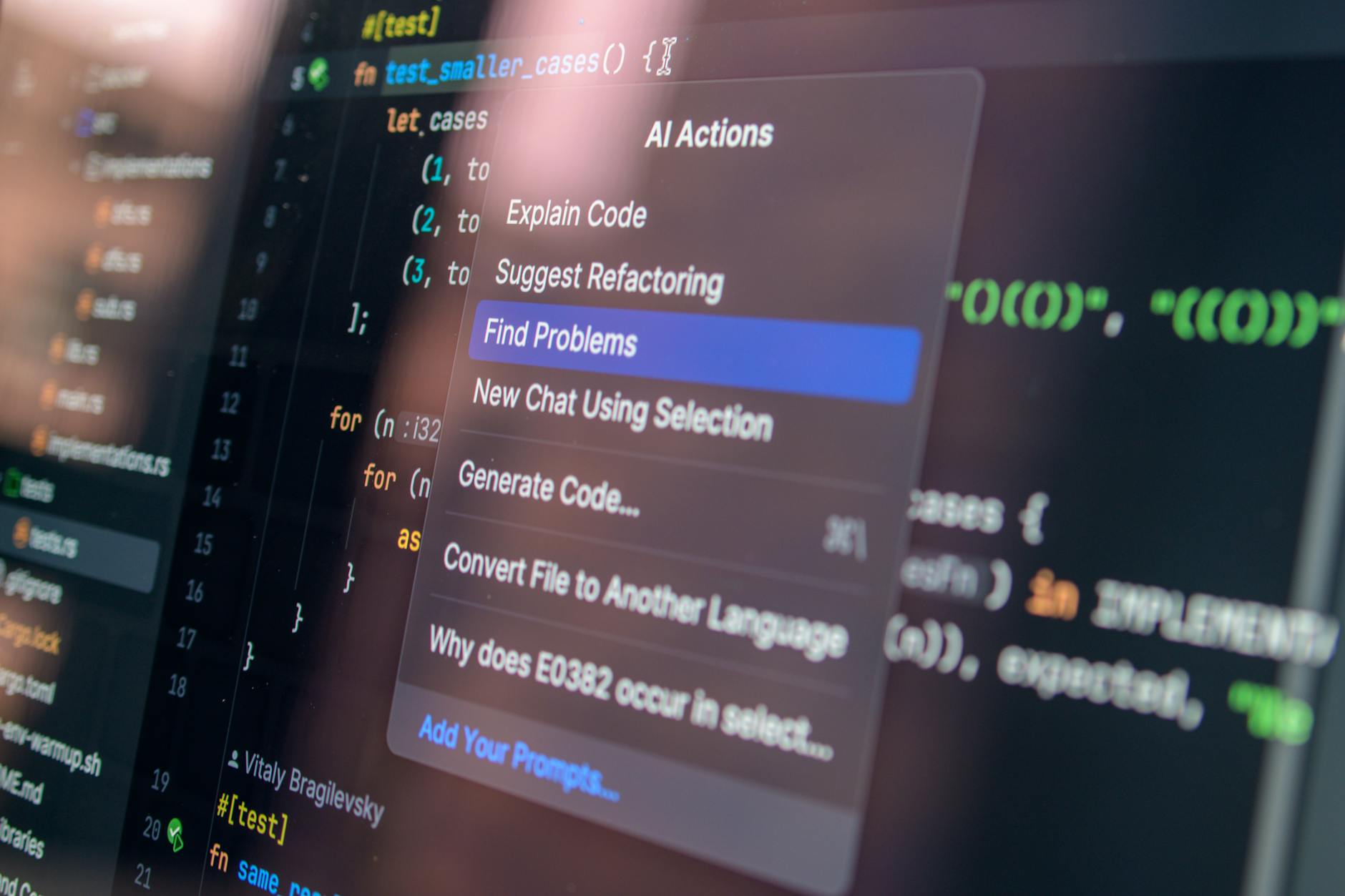
Anthropic's Claude Code: The Future of AI Coding Takes Shape
In the rapidly evolving landscape of artificial intelligence, one tool has emerged as a significant player in the realm of coding: Anthropic's Claude Code. This AI coding assistant has garnered considerable attention from developers, transforming the way they approach programming tasks. As we delve into the rise of Claude Code, we will explore its features, the competitive landscape, and the broader implications of AI in software development.
The Evolution of Claude Code
Launched with a focus on simplicity and user experience, Claude Code has quickly evolved from basic autocomplete functionalities to a more sophisticated tool capable of handling complex coding tasks. According to Boris Cherny, the head of Claude Code, the team aimed to "build the simplest possible thing" that would still meet the needs of developers. This approach has resonated well within the tech community, as evidenced by the tool's rapid adoption. Cherny noted that half of Anthropic's sales team uses Claude Code weekly, underscoring its effectiveness and the internal confidence in the product.
Financial Success and Market Impact
The impact of Claude Code on the market is underscored by its impressive financial performance. Within less than a year of its launch, the tool achieved an astounding $1 billion in annual recurring revenue. This milestone not only highlights the demand for AI coding tools but also sets a benchmark for other players in the industry. The success of Claude Code reflects a broader trend where AI-driven solutions are increasingly being integrated into various aspects of software development, offering enhanced efficiency and productivity.
Recent Advancements: Claude Opus 4.5
A significant development in the evolution of Claude Code is the recent launch of Claude Opus 4.5. This new version boasts notable improvements in coding efficiency, allowing developers to write code faster and with fewer errors. The enhancements in Opus 4.5 are indicative of Anthropic's commitment to continuous improvement and innovation in AI coding technology. By refining its algorithms and incorporating user feedback, Claude Code aims to stay ahead of the curve in an increasingly competitive market.
The Competitive Landscape
While Claude Code is making waves, it is not alone in the AI coding space. Other companies, such as Cursor and OpenAI, are also developing their own AI-powered coding tools, each vying for a share of the market. This competition is beneficial for developers, as it drives innovation and leads to better products. For instance, Cursor has introduced features that cater to specific coding languages and frameworks, while OpenAI's Codex has been a prominent player since its inception, offering robust coding assistance across various programming environments.
The Role of AI in Software Development
The rise of AI coding tools like Claude Code signifies a transformative shift in software development practices. Historically, coding was a labor-intensive process that required significant time and expertise. However, with the introduction of AI-powered assistants, developers can now automate repetitive tasks, receive real-time suggestions, and even generate entire code blocks based on natural language prompts.
This shift not only enhances productivity but also democratizes coding by making it more accessible to individuals with varying levels of expertise. As AI tools continue to evolve, they are likely to play an increasingly integral role in the software development lifecycle, from initial concept to deployment. The ability to leverage AI for coding tasks can empower teams to focus on higher-level problem-solving and creative aspects of software design, fostering innovation in the tech industry.
Challenges and Considerations
Despite the promising advancements brought about by AI coding tools, there are also challenges and considerations that must be addressed. One of the primary concerns is the potential for over-reliance on AI. While tools like Claude Code can significantly enhance coding efficiency, developers must remain vigilant to ensure they maintain their skills and understanding of programming principles. The risk of becoming too dependent on AI-generated solutions could lead to skill degradation, where developers may struggle to tackle problems without the assistance of AI.
Additionally, issues related to code quality and security must be considered. As AI tools generate code, there is a risk of introducing vulnerabilities or bugs that could compromise the integrity of software applications. Developers must be proactive in reviewing and testing AI-generated code to mitigate these risks. Ensuring that AI tools adhere to best practices in coding standards and security protocols is crucial to maintaining the reliability of software products.
Looking Ahead: The Future of AI Coding
As we look to the future, the potential for AI coding tools like Claude Code is immense. With advancements in machine learning and natural language processing, these tools are likely to become even more sophisticated, enabling developers to tackle increasingly complex challenges. The integration of AI in coding practices could lead to new paradigms in software development, including more collaborative environments where human developers and AI work side by side.
Moreover, as the demand for software continues to grow across industries, the role of AI in coding will become even more critical. Companies will increasingly seek out tools that enhance their development processes, improve efficiency, and reduce time to market. Claude Code's success is a testament to this trend, highlighting the importance of innovation in the tech landscape.
The Broader Implications of AI in the Workforce
The rise of AI tools like Claude Code also raises important questions about the future of work in the tech industry. As AI takes on more coding tasks, there is a growing concern about job displacement for software developers. However, many experts believe that rather than replacing developers, AI will augment their capabilities, allowing them to focus on more strategic and creative aspects of their work.
This shift could lead to the emergence of new roles within the tech industry, such as AI trainers, ethics consultants, and AI integration specialists, who will be responsible for ensuring that AI tools are used effectively and ethically. The landscape of software development may evolve to prioritize collaboration between human developers and AI, fostering a more innovative and dynamic environment.