

Concerns Over AI's Impact on Tech Jobs and Economic Growth
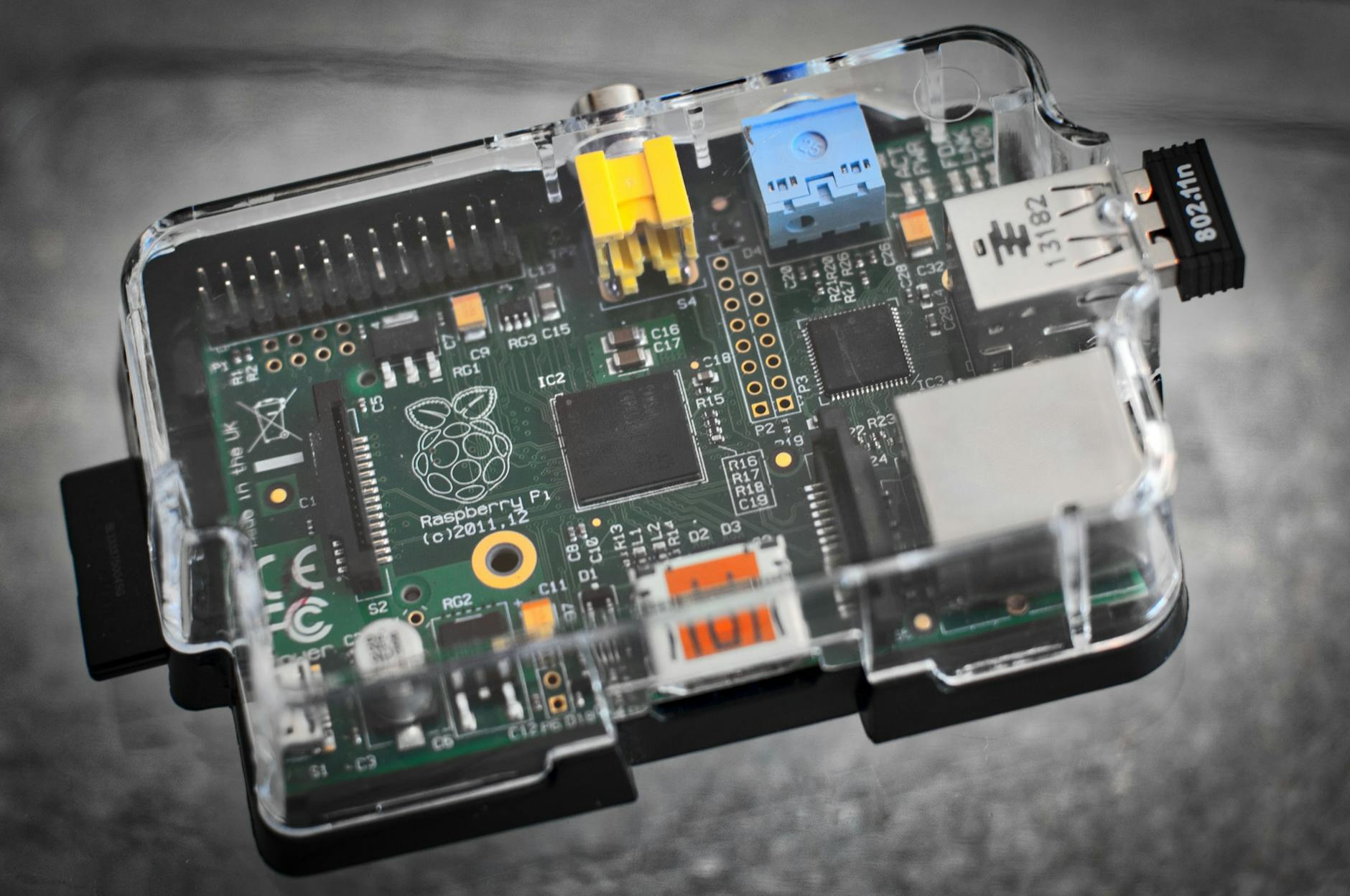
In a recent discussion, Eben Upton, the founder of the British computer company Raspberry Pi, expressed his concerns about the potential impact of Artificial Intelligence (AI) on the job market and the economy. He warned that overestimating AI's capabilities could deter individuals from pursuing careers in technology, which may worsen the current skills shortage.
Upton's remarks come amidst a climate of heightened anxiety about job security in the tech sector. Major companies like Amazon, Meta, and Microsoft have recently laid off thousands of workers, attributing these cuts in part to the rise of AI tools such as ChatGPT and Claude. However, Upton pointed out that these layoffs might not solely be the result of AI; rather, they could also be a reflection of corporate strategies following a hiring spree in the wake of the COVID-19 pandemic.
He emphasized that the narrative surrounding AI's ability to replace human workers must be approached with caution. "Some people are very inclined to overestimate what these tools can do," Upton stated, highlighting the risk of creating a false sense of urgency around the need for new skills. This could lead to misguided decisions about education and career paths, particularly for young people just beginning to consider their futures.
Upton believes that the current excitement surrounding AI technologies could mislead parents and students when contemplating educational choices, especially regarding subjects like computer science. He suggested that it might be wiser to wait several years before making definitive decisions about how to prepare for an AI-infused job market. "We have no data to inform a rational decision on that," he noted, advocating for patience and careful consideration.
The Raspberry Pi founder also addressed the economic implications of a diminishing supply of engineers. He asserted that a robust pipeline of talent is essential for fostering innovation and growth within the tech industry. Upton's concerns are underscored by the fact that Raspberry Pi, which he established in 2012 to encourage programming skills among young people, has become a significant player in the UK tech landscape. The company's success, particularly its recent listing on the London Stock Exchange, stands in stark contrast to the challenges faced by other firms seeking to enter the market.
Despite Raspberry Pi's achievements, Upton acknowledged the broader struggles within the UK economy, particularly regarding high energy costs that have been a persistent challenge for businesses. He pointed out that the cost of energy in the UK is among the highest in the G7, which complicates the landscape for firms looking to expand or innovate. Upton remarked that high energy costs directly affect labor costs, as companies must offer competitive wages to attract and retain talent in a region where living expenses are also rising.
In light of these challenges, Upton's insights serve as a crucial reminder of the importance of nurturing a skilled workforce while also being mindful of the realities of the job market. The ongoing evolution of AI technologies presents both opportunities and risks, and it is vital for educators, parents, and industry leaders to approach this transformation with a balanced perspective. As the tech sector continues to adapt to new tools and innovations, the focus must remain on building a sustainable future that encourages growth, creativity, and the development of necessary skills.
The conversation surrounding AI and its implications for the workforce is not merely a theoretical debate; it has real-world consequences for millions of workers and students. As AI systems become more integrated into various industries, the demand for technical skills is likely to grow. However, Upton's warning about the overestimation of AI's capabilities serves as a cautionary note against hastily pivoting educational priorities based solely on current trends.
Moreover, Upton's commentary is particularly relevant in the context of the recent layoffs in the tech industry. Companies have been making significant cuts in response to economic pressures, and the narrative that AI is wholly responsible for these job losses may oversimplify the situation. The tech sector has been undergoing a period of adjustment, with many firms recalibrating their workforce after aggressive hiring during the pandemic. The layoffs, therefore, may reflect broader economic realities rather than a direct correlation to AI advancements.
Upton's perspective also underscores the importance of a diverse skill set. While technical skills remain crucial, soft skills such as problem-solving, critical thinking, and adaptability will be equally important in an AI-driven landscape. These skills cannot be easily replicated by machines and will be vital for workers navigating the complexities of future job markets. Educators and industry leaders must emphasize the development of these competencies alongside technical training to prepare students adequately for the changing demands of the workforce.
The potential for AI to reshape industries is undeniable, but it is equally critical to recognize the human element that drives progress and innovation. The balance between embracing new technologies and maintaining a skilled workforce will be pivotal in determining the future trajectory of the tech industry and the economy as a whole. As AI continues to develop and permeate various sectors, the need for a workforce that is not only technically proficient but also capable of creative and critical thought will become increasingly essential.
As we look to the future, it is essential to cultivate a workforce that is equipped not only with technical skills but also with the critical thinking and problem-solving abilities that will be essential in an AI-enhanced world. The dialogue surrounding AI's impact must continue, ensuring that we are prepared for the changes ahead while also fostering a culture of innovation and adaptation within the tech sector. The path forward will require collaboration between educators, industry leaders, and policymakers to create an environment that supports both technological advancement and workforce development.
Ultimately, Upton's insights remind us that while the allure of AI is strong, the need for human ingenuity and skill remains paramount. The landscape of technology and employment is shifting rapidly, and the implications of AI are profound. It is crucial for all stakeholders to engage in thoughtful discussions about the future of work in the age of AI, ensuring that we are equipped to navigate the challenges and opportunities that lie ahead.