

Crayola Craft Kits Recalled Due to Asbestos Concerns
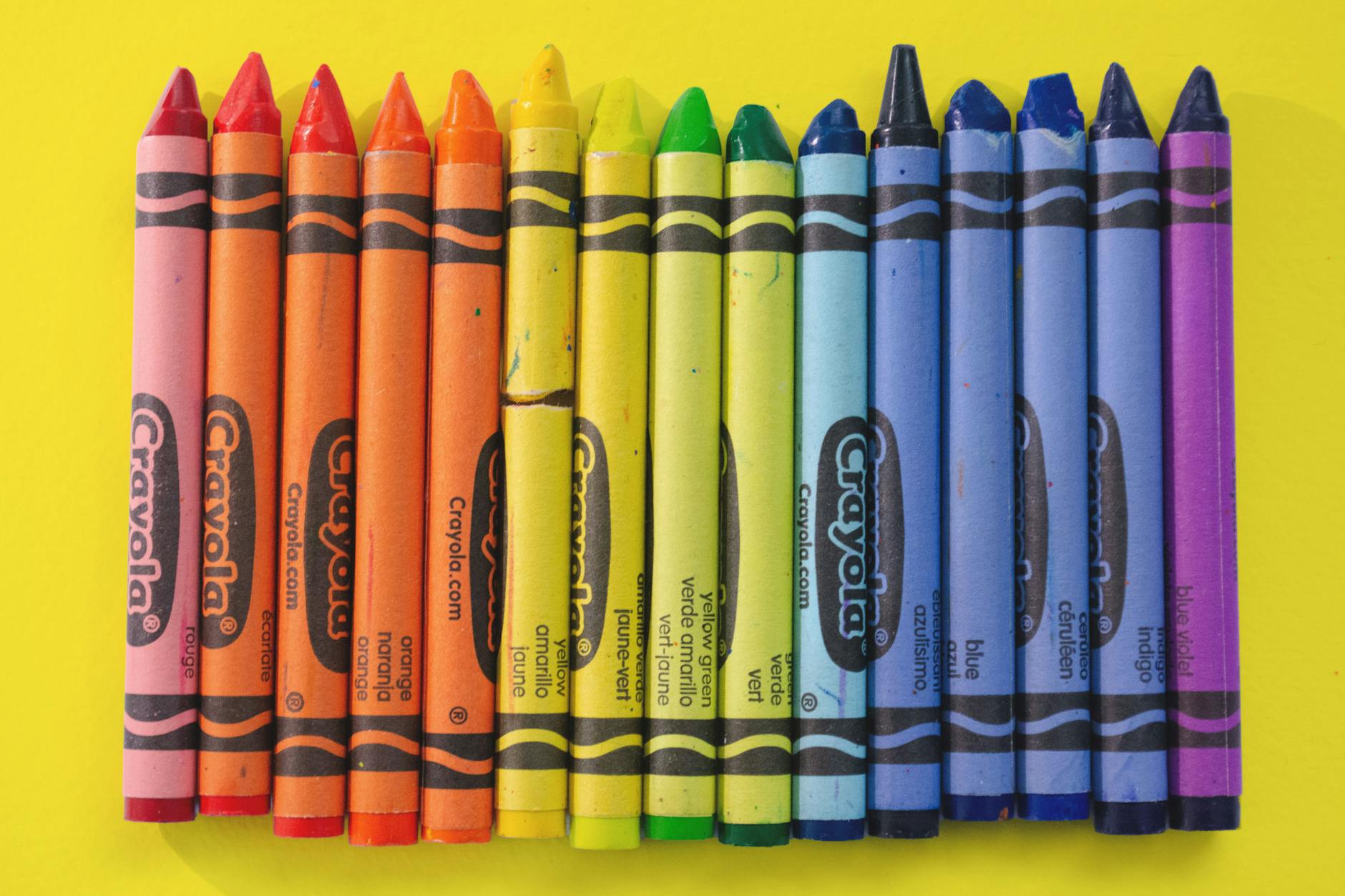
Crayola Craft Kits Recalled Due to Asbestos Concerns
In a concerning development for parents and guardians, two Crayola craft kits designed for children have been recalled due to potential asbestos contamination. The recall was initiated following an alert from the Office for Product Safety and Standards (OPSS), which indicated that the sand included in these kits might contain a small quantity of asbestos. This news has raised significant health concerns, particularly given the known dangers associated with asbestos exposure.
Understanding Asbestos and Its Risks
Asbestos is a naturally occurring mineral that was widely used in construction and various products due to its heat-resistant properties. However, it is now recognized as a hazardous substance, with a well-documented history of causing serious health issues, including lung cancer, mesothelioma, and asbestosis. The dangers of asbestos are particularly pronounced in children, who may be more vulnerable to its harmful effects. Even minimal exposure can pose significant health risks, leading to a global ban on its use in many countries.
The presence of asbestos in consumer products, especially those intended for children, is alarming. Parents often trust brands like Crayola, which is synonymous with creativity and childhood, to provide safe and non-toxic materials for their children. The revelation that products bearing such a trusted name could contain asbestos has understandably caused distress among consumers.
Details of the Recall
The affected Crayola craft kits, which were sold at major retailers including Argos, Asda, Sainsbury's, and The Works, included sand that was found to potentially contain asbestos fibers. The OPSS's announcement emphasized that the risk of exposure was low, but the potential for even small quantities of asbestos to cause harm necessitated immediate action. As a result, the kits have been pulled from shelves, and consumers are being advised to stop using them immediately.
Customers who purchased the affected kits are encouraged to contact the retailers for refunds. Additionally, the OPSS has provided specific cleanup instructions to mitigate any potential risks associated with the products. This includes advice on how to safely dispose of the sand and any other materials that may have come into contact with it.
The Broader Context of Asbestos in Consumer Products
This incident is not isolated. Consumer advocates have voiced growing concerns over the frequency of asbestos-related recalls in children's products. In recent years, there have been several high-profile cases where toys, art supplies, and other children's items have been found to contain asbestos, prompting recalls and raising questions about the effectiveness of product safety checks in the industry. The frequency of these incidents raises alarm bells regarding the overall safety standards applied to children's products.
The presence of asbestos in consumer goods highlights a significant gap in regulatory oversight. While many countries have stringent regulations regarding the use of asbestos, enforcement can be inconsistent. In some cases, products are manufactured in countries with less stringent safety standards, leading to potential contamination that may go undetected until after the products reach consumers. This is particularly concerning for products marketed towards children, who are often more susceptible to health risks.
The Role of Regulatory Bodies
The OPSS plays a critical role in ensuring consumer safety in the UK, but the effectiveness of product safety checks can vary. Regulatory bodies are tasked with monitoring products and conducting safety assessments, but the complexity of global supply chains can make it challenging to identify and eliminate risks. As products are sourced from various manufacturers around the world, the potential for contamination increases, necessitating robust testing and oversight.
In light of recent recalls, there is a growing call for improved safety standards and more rigorous testing protocols for children's products. Advocates argue that manufacturers should be held to higher standards, particularly when it comes to materials that pose health risks. The Crayola recall serves as a reminder of the importance of vigilance in product safety and the need for ongoing scrutiny of consumer goods.
Consumer Advocacy and Public Awareness
Consumer advocacy groups have been vocal in their response to the Crayola recall. They emphasize the importance of public awareness regarding the potential dangers of asbestos and the need for parents to be informed about the products they purchase for their children. The recall has sparked discussions about the responsibility of manufacturers to ensure the safety of their products and the role of consumers in demanding transparency and accountability.
Parents are encouraged to stay informed about product recalls and to take an active role in monitoring the safety of the items they bring into their homes. Resources are available for consumers to report concerns and to access information about recalls, which can help mitigate risks associated with contaminated products. Websites and hotlines dedicated to product safety can empower parents to make informed decisions and protect their families from potential hazards.
The Health Implications of Asbestos Exposure
The health implications of asbestos exposure are severe, particularly for children, who may have a longer latency period for diseases such as mesothelioma. Asbestos fibers can become airborne, and when inhaled, they can lodge in the lungs, leading to inflammation and scarring over time. This can result in chronic respiratory conditions and increase the risk of developing cancer later in life. The serious nature of these health risks underscores the urgency of addressing asbestos contamination in consumer products, especially those aimed at young children.
The recall of Crayola craft kits due to asbestos concerns is a stark reminder of the ongoing challenges related to product safety and consumer protection. While the immediate risk to health may be low, the implications of such recalls resonate deeply within communities, particularly among parents who prioritize the safety of their children. As the conversation around product safety continues, it is crucial for regulatory bodies, manufacturers, and consumers to work together to ensure that all products, especially those intended for children, are safe and free from harmful substances.
As more information becomes available, it is essential for consumers to remain vigilant and proactive in seeking out safe products. The Crayola recall serves as a pivotal moment for reflection on the importance of safety in consumer goods and the collective responsibility to protect the well-being of future generations.
Additional Resources
- For more information on the recall and cleanup instructions, consumers can visit the official websites of the retailers involved or the Office for Product Safety and Standards.
- Parents can also access resources from consumer advocacy groups that focus on product safety and recalls to stay informed about potential risks in children's products.
By understanding the implications of this recall and advocating for safer products, consumers can play a vital role in fostering a safer environment for children.