

Dairy Farmers Combat Extreme Heat with Innovative Cooling Solutions
Dairy Farmers Combat Extreme Heat with Innovative Cooling Solutions
As the summer heat intensifies, dairy farmers across the UK are facing significant challenges in maintaining milk production and ensuring the well-being of their cattle. With recent drought conditions declared in various regions, farmers are turning to innovative solutions like cow showers and industrial fans to combat the adverse effects of rising temperatures.
The Impact of Extreme Heat on Dairy Farming
The current heatwave has been described as nearly continuous, pushing farmers to invest heavily in cooling systems. For instance, Sarah Godwin, a farmer near Chippenham, has spent 15,000 on a sophisticated ventilation and sprinkler system to help her cows cope with the extreme heat. This investment is reflective of a broader trend among dairy farmers who are adapting to changing weather patterns that are becoming increasingly severe.
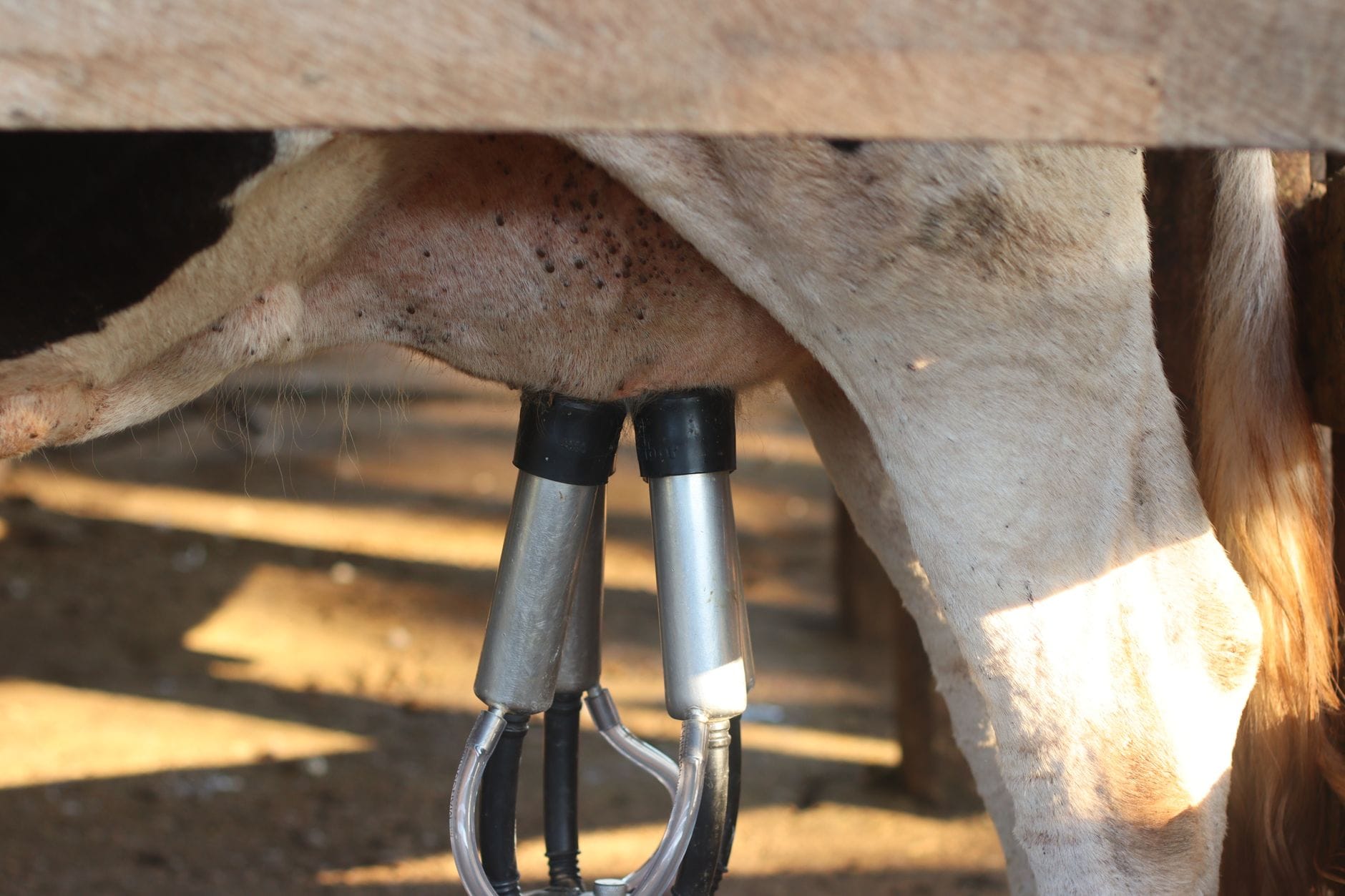
Professor Nicola Cannon from the Royal Agricultural University in Cirencester highlights the direct impact of heat on milk production, stating that prolonged high temperatures can reduce output by as much as 20%. Cows experience stress similar to humans during hot weather, leading to decreased milk productivity. In response, farmers have installed large fans and sprinkler systems to provide relief for their animals. Sam Woolford, a farmer near Swindon, describes the scene in his milking parlour as a "wind tunnel," where ten industrial fans create a refreshing environment for the cows, encouraging them to stay calm and relaxed during milking.
This proactive approach is critical as the physiological stress that cows endure during heat events can lead to lower feed intake, reduced fertility, and even health complications. The implementation of cooling technologies is not merely a luxury but a necessity for maintaining herd health and productivity.
The Economic Implications of Drought Conditions
The challenges posed by extreme heat are not limited to discomfort for the cows; they also affect the farmers' livelihoods. Woolford mentions that drought conditions are forcing them to rely on winter feed much earlier than planned, as the grasslands are scorched and unable to provide adequate nutrition. The impact of climate change is evident, with experts noting that what was once considered extreme weather is now becoming the new normal. This shift not only threatens the health and welfare of the cattle but also jeopardizes the financial stability of dairy farms across the region.
In Somerset, farmers are reporting the worst drought in 50 years, with dry spells leading to significant crop losses. Woolford illustrates the situation by showing a handful of parched grass, describing it as "stemmy nonsense" with little nutritional value. The ongoing drought has left many farmers praying for rain to restore their pastures. As the Met Office notes, some areas have gone as long as 39 days without rainfall, reaching what is termed the "permanent wilting point," where grass cannot recover after grazing or cutting. This situation underscores the urgency for farmers to adopt effective strategies to mitigate the effects of climate change.
The economic ramifications are profound. Farmers are faced with the prospect of higher feed costs as they are forced to purchase supplementary feed to maintain their herds. This not only increases operational costs but also impacts profit margins, making it increasingly difficult for smaller farms to remain viable. As the agricultural sector grapples with these challenges, the need for sustainable practices and adaptive measures becomes ever more critical.
Young Farmers' Commitment to the Industry
Despite these challenges, young farmers like Woolford, who is only 20 years old, express a commitment to their craft. He acknowledges the changing climate but remains optimistic, stating, "We just need some rain for the grass." His family has been in dairy farming for generations, and he is determined to continue this legacy despite the evolving challenges. This sense of continuity and dedication is vital for the future of agriculture, as younger generations take on the responsibility of sustaining their family farms in a rapidly changing environment.
Godwin, echoing similar sentiments, notes that farming has become increasingly difficult recently. She highlights the importance of adapting to the new reality of prolonged heatwaves, emphasizing that the situation requires significant effort and investment. The cooling systems they have installed are not unique; they are becoming standard practice among dairy operations in the region as farmers seek to protect their herds and production levels. This trend reflects a broader movement within the agricultural community to innovate in response to climate challenges.
The resilience shown by these young farmers is commendable. They are not only inheriting the challenges faced by previous generations but are also tasked with finding solutions that will ensure the sustainability of their operations. Their willingness to embrace new technologies and methods is crucial for the future of dairy farming.
Balancing Challenges and Opportunities
Rory Hawkins, who helps manage a dairy farm that produces ice cream, further illustrates the duality of the situation. While hotter summers may boost ice cream sales, they also stress the cows, leading to a decrease in milk production. He acknowledges the changing weather patterns but expresses a love for working outside and caring for the animals, which drives his commitment to the dairy industry. This highlights a unique aspect of agriculture where market dynamics can be influenced by climate, creating both challenges and opportunities for farmers.
Farmers across the region are not only focusing on immediate solutions but also on long-term resilience. Lara Browne, another young farmer, emphasizes the need to adapt and make farms more resilient for future generations. She believes it is essential to find ways to thrive despite the challenges presented by climate change. This perspective is essential for the sustainability of the agricultural sector, as it encourages farmers to think critically about their practices and invest in technologies that will support their operations in the long run.
The Broader Implications for Agriculture
As these farmers navigate the complexities of modern dairy farming, their determination and innovative approaches to cooling their cattle illustrate a broader struggle within the agricultural community. The commitment to maintaining production while adapting to new weather realities is a testament to their resilience and dedication to the craft. With the ongoing threat of climate change looming over their heads, the future of dairy farming may hinge on such adaptations and the willingness of farmers to embrace new technologies and methods.
Ultimately, the story of these dairy farmers reflects a microcosm of the larger issues surrounding agriculture in a warming world. As they face unprecedented challenges, the solutions they implement today may pave the way for a more sustainable future in dairy farming, ensuring that they can continue to produce milk and care for their animals despite the heat. The proactive measures taken by these farmers not only safeguard their livelihoods but also contribute to the overall resilience of the agricultural sector in the face of climate change.