

Elon Musk's Bold Predictions at Davos: A Mix of Optimism and Controversy
In a surprising appearance at the World Economic Forum in Davos, Switzerland, Elon Musk, the billionaire entrepreneur known for his ambitious ventures, shared a series of predictions that have sparked interest and skepticism alike. With a track record of making grand claims about the future, Musk's remarks at the event have once again put him in the spotlight, blending optimism with a hint of controversy.
Predictions That Define the Future
Musk's predictions ranged from the development of humanoid robots to the future of transportation and human longevity. His remarks included the following key points:
-
Humanoid Robots: Musk predicts that humanoid robots will transform human life and go on sale in 2027. This assertion aligns with Tesla's ongoing efforts to develop the Optimus robot, which Musk believes will be capable of performing a variety of tasks traditionally done by humans. He stated that Tesla would start mass production of these robots by 2025, painting a picture of a future where AI and robotics could revolutionize the global economy. The development of humanoid robots is not merely a technological challenge but a societal one, as it raises questions about the role of machines in the workforce and the ethical implications of replacing human labor with robotics.
-
Robotaxis: Musk claims that robotaxis will be widespread in the U.S. by the end of this year. This prediction follows Tesla's earlier launch of a limited robotaxi service in Austin, Texas, which still required a human monitor in each vehicle. Musk's assertion signals a shift from the previous timeline, as he anticipates that the company will expand its robotaxi offerings to states with more lenient regulations, such as Arizona, Florida, and Nevada. The concept of robotaxis is gaining traction as autonomous vehicle technology matures, yet public acceptance and regulatory frameworks remain critical factors that could influence the timeline Musk has proposed.
-
Human Aging: In a bold claim, Musk suggested that human aging is a "very solvable problem" and encouraged more research into it. While he admitted that he hadn't dedicated much time to studying the phenomenon, he confidently stated that the root causes of aging would eventually be uncovered. This statement raises questions about the feasibility of finding a solution to such a complex biological issue. Aging is influenced by a myriad of factors, including genetics, environment, and lifestyle, making it a daunting challenge for researchers. While advancements in biotechnology and medicine may one day lead to breakthroughs in extending human lifespan, Musk's assertion that aging is a "very solvable problem" could be seen as overly simplistic.
-
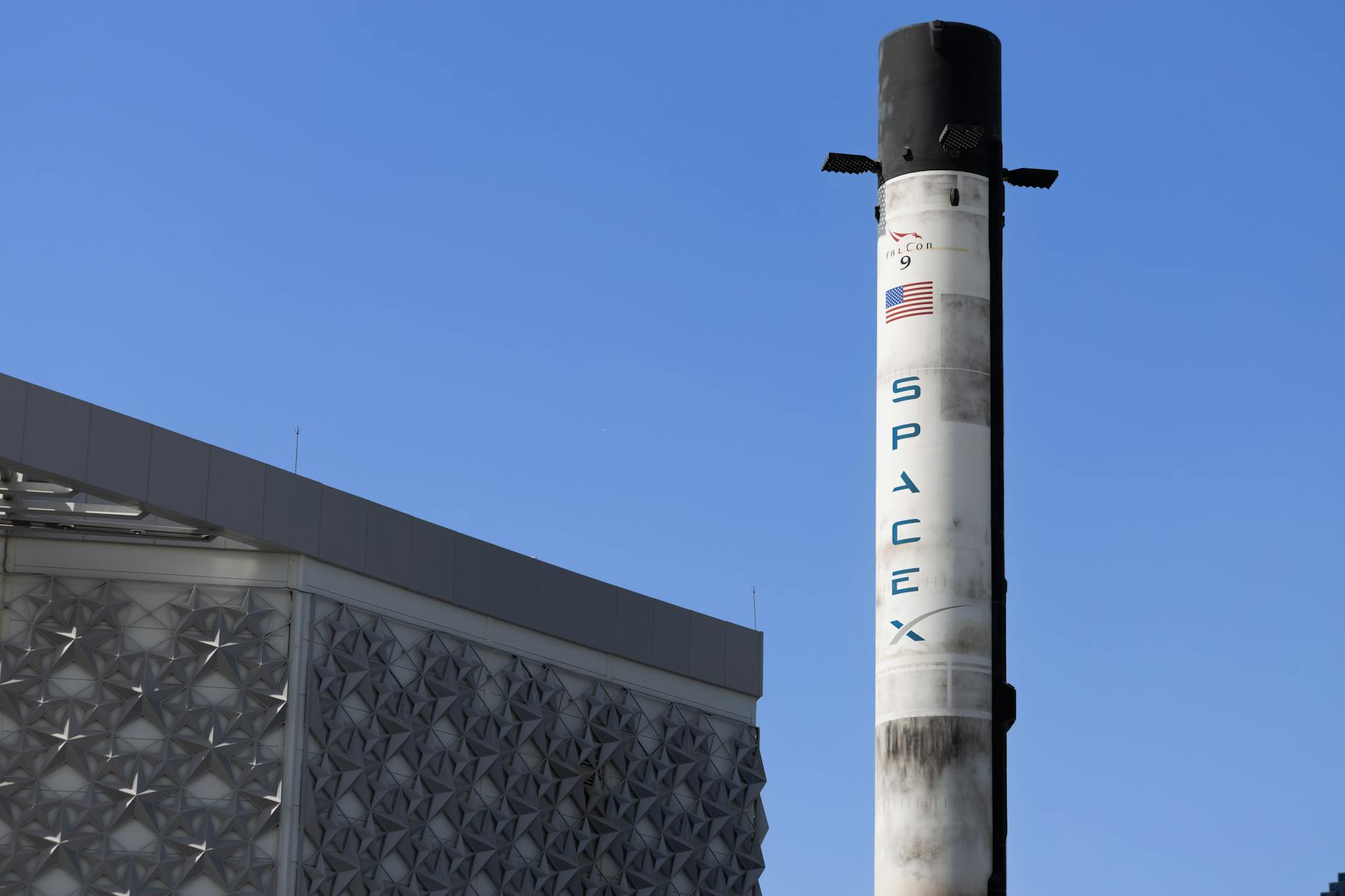
Space Exploration: Musk reiterated his goal for SpaceX to achieve a fully reusable rocket by the end of this year. This ambitious target has been delayed multiple times in the past, making his current assertion seem optimistic at best. The development of reusable rockets has the potential to significantly reduce the cost of space travel and increase accessibility to space, yet achieving this goal requires overcoming numerous technical challenges.
-
Artificial Intelligence: Musk stated that AI would surpass human intelligence within this year and suggested that by 2035, AI would be smarter than humanity as a whole. This claim reflects Musk's ongoing concern about the implications of AI development, as he has previously warned against a future dominated by superintelligent AI. However, experts in the field have expressed skepticism about the timeline Musk proposes, suggesting that true general intelligence in AI is still a long way off. The rapid advancements in AI technologies, while impressive, do not necessarily equate to the development of machines that can replicate human cognitive abilities across all domains.
The Context of Musk's Predictions
Musk's predictions are not made in a vacuum; they are influenced by the rapid advancements in technology and the increasing public interest in AI and robotics. The development of AI has accelerated in recent years, with significant breakthroughs in machine learning and neural networks. Companies like Tesla and others in the tech industry are racing to harness these advancements for practical applications, which has led to both excitement and trepidation about the future.
For instance, the idea of humanoid robots is not entirely new. Research in robotics has been ongoing for decades, with various companies and institutions working on creating machines that can mimic human behavior and perform complex tasks. However, the challenges of creating a robot that can navigate the complexities of human environments and interactions remain significant. Musk's commitment to developing the Optimus robot reflects a broader trend in the tech industry, where companies are exploring the potential of robotics to enhance productivity and efficiency. The implications of widespread humanoid robot adoption could be profound, impacting labor markets, social dynamics, and ethical considerations regarding the treatment of sentient machines.
Similarly, the concept of robotaxis is gaining traction as autonomous vehicle technology matures. Companies like Waymo, Cruise, and others are also testing autonomous vehicle services, and regulatory frameworks are slowly adapting to accommodate these innovations. However, the public's acceptance of robotaxis and the regulatory hurdles that companies face are critical factors that could influence the timeline Musk has proposed. The transition to a future with autonomous vehicles raises important questions about safety, liability, and the potential displacement of traditional taxi services and driving jobs.
The Skepticism Surrounding Musk's Claims
Despite the ambitious nature of Musk's predictions, skepticism remains prevalent. Musk's history of optimistic timelines that have not always materialized casts a shadow over his latest assertions. For example, the launch of Tesla's Cybertruck has faced numerous delays, and the rollout of Full Self-Driving (FSD) features has been slower than anticipated. Critics argue that while Musk's vision is inspiring, the realities of technological development often involve unforeseen challenges and setbacks. The complexities of human aging present a formidable challenge, as aging is a multifaceted biological process influenced by a variety of factors, making it difficult to pinpoint a singular solution.
In the realm of AI, experts warn that Musk's timeline for AI surpassing human intelligence may be overly ambitious. While progress in AI is indeed rapid, achieving true general intelligence-where machines can perform any intellectual task that a human can-remains a significant hurdle. Many researchers believe that we are still decades away from such advancements, and the ethical implications of superintelligent AI are subjects of ongoing debate. Musk's warnings about the potential dangers of AI, while well-intentioned, may also contribute to public fear and misunderstanding about the technology's capabilities and limitations.
The Broader Implications of Musk's Vision
Musk's statements at Davos highlight his characteristic blend of vision and controversy. While his predictions ignite excitement and hope for technological advancements, they also raise eyebrows given his history of ambitious forecasts that have not always come to fruition. As a figure who has consistently pushed the boundaries of innovation, Musk's comments at the World Economic Forum serve as both a rallying cry for supporters and a point of contention for critics who question the feasibility of his timelines.
His influence on global markets and public discourse cannot be understated. Musk's ventures span across multiple industries, from electric vehicles and space travel to social media and neurotechnology. As the richest person in the world, his words carry weight, and his predictions can impact stock prices and investments. This duality of being a visionary and a polarizing figure continues to shape the narrative around technological progress and the future of humanity.
As the world watches closely, the coming years will reveal whether Musk's ambitious predictions will materialize or if they will join the ranks of his past forecasts that fell short. Regardless, his presence at events like Davos ensures that conversations about the future of technology and society remain vibrant and contentious. Whether one views Musk as a visionary or a dreamer, his impact on the trajectory of technology and its implications for humanity is undeniable. His ability to capture public imagination while simultaneously provoking skepticism serves as a reminder of the complexities inherent in the pursuit of innovation.