

Heathrow Faces Slump in Passenger Numbers Amid Middle East Tensions
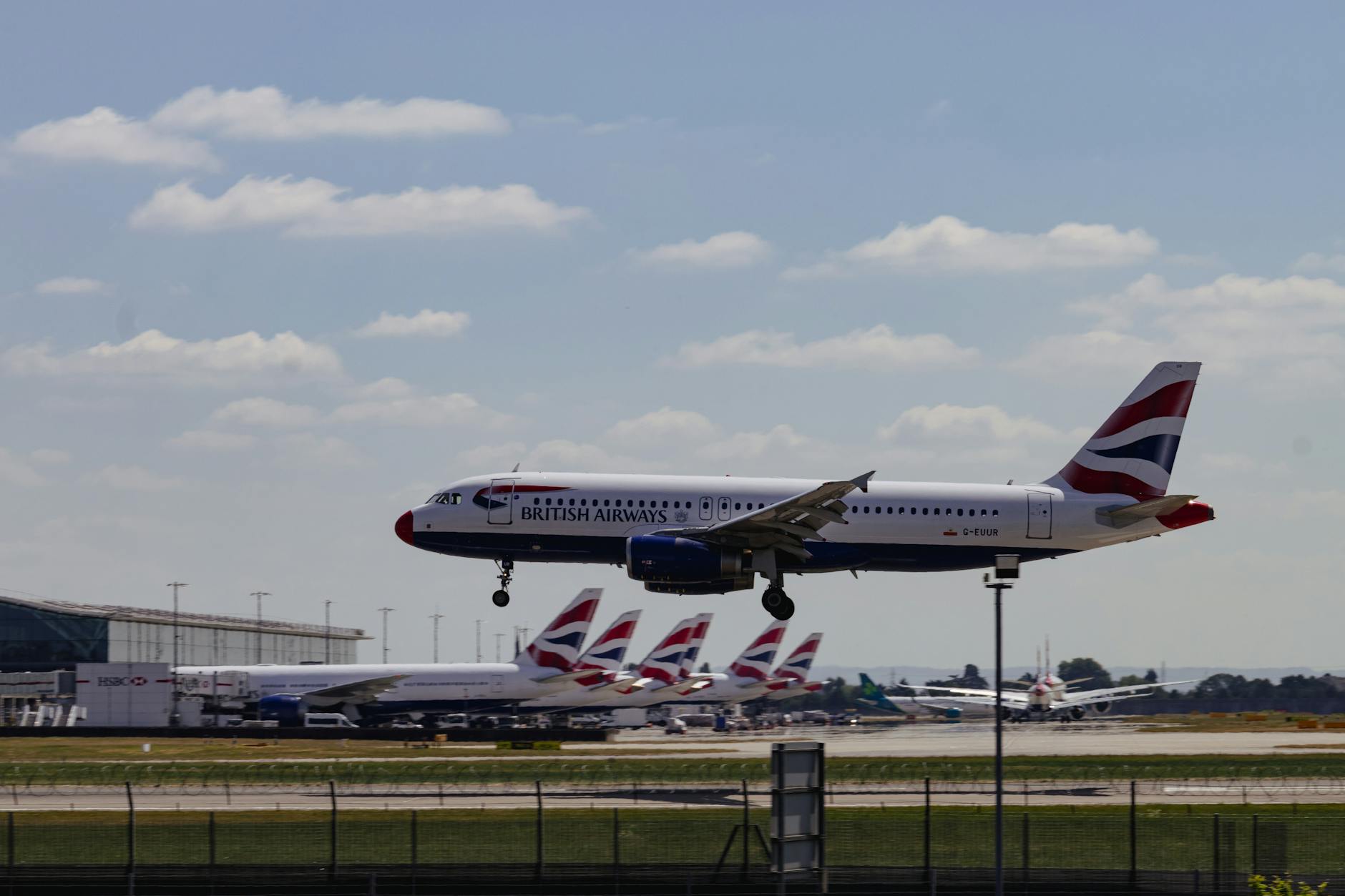
Heathrow Faces Slump in Passenger Numbers Amid Middle East Tensions
Heathrow Airport, one of the busiest airports in the world, has recently reported a notable decline in passenger traffic, with a 5.3% decrease recorded last month. This decline translates to approximately 6.7 million travelers compared to 7.1 million during the same period in April 2022. The drop in numbers is significant, especially considering the airport's critical role in international travel.
Reasons Behind the Decline
The primary reason for this downturn has been attributed to the ongoing conflict in the Middle East, which has created a ripple effect on global travel patterns. Chief Executive Thomas Woldbye pointed out that the geopolitical tensions have led many potential travelers to reconsider their plans, particularly those who might have considered traveling to or through the Middle East. The conflict has raised safety concerns, leading to a decrease in travel confidence among passengers.
As the situation in the Middle East continues to evolve, it has prompted travelers to seek alternative routes and destinations, thereby affecting passenger volumes at Heathrow. Despite this decline, the airport has reported a 10% year-on-year increase in transfer passengers, indicating that while direct travel to certain regions may be down, there remains a robust demand for international travel overall. This suggests that travelers are still eager to explore global destinations, albeit with more caution and consideration regarding their safety.
The Impact of Geopolitical Tensions on Travel
Geopolitical tensions have long been known to influence air travel, often leading to shifts in passenger behavior. The aviation industry is particularly sensitive to such events, as they can alter perceptions of safety and security in various regions. In recent months, the Middle East has been a focal point of conflict, leading to heightened concerns among potential travelers. This has resulted in many individuals opting for destinations perceived as safer, thereby impacting airports like Heathrow that serve as major international gateways.
The ongoing conflict in the Middle East has not only affected travelers' choices but has also caused airlines to reassess their routes and schedules. Airlines are constantly adjusting their operations based on demand and safety considerations, which can lead to reduced flight availability to certain regions. As a result, travelers may find themselves with fewer options when planning trips that involve transit through affected areas.
The Broader Impact on the Aviation Industry
The impact of geopolitical tensions on air travel is not confined to Heathrow alone. Major hub airports in the Middle East, such as Dubai International Airport and Hamad International Airport in Qatar, continue to see high passenger volumes. However, many travelers are now steering clear of these regions due to the ongoing conflicts and associated safety concerns. This shift in travel behavior highlights the interconnected nature of the global aviation industry, where events in one region can have far-reaching consequences on travel patterns worldwide.
Airports and airlines are facing the challenge of navigating these geopolitical uncertainties while striving to meet the needs of travelers. The aviation industry has historically been sensitive to global events, and the current situation is no exception. Airlines are adapting their routes and schedules to respond to changing demand, while airports like Heathrow are working to maintain their status as key international travel hubs.
The Role of Transfer Passengers
Interestingly, while direct passenger traffic to certain regions has declined, Heathrow has reported a 10% increase in transfer passengers year-on-year. This indicates that while travelers may be avoiding certain destinations, they are still keen on international travel overall. Transfer passengers are those who use Heathrow as a stopover on their way to other destinations, and their increase suggests that the airport remains a crucial hub for global connectivity. This trend may also reflect a growing preference for longer-haul travel, where passengers are willing to transit through major hubs to reach their final destinations.
Heathrow's Future Outlook
In light of the recent decline in passenger numbers, Heathrow is set to revise its passenger forecast for 2026 in June. This revision is crucial as it aims to provide certainty for travelers planning their summer holidays. By offering updated forecasts, Heathrow hopes to instill confidence in potential travelers, encouraging them to plan their trips with the assurance that the airport remains a viable and safe option for international travel.
The need for accurate forecasting is underscored by the unpredictability of global events. The aviation industry must remain agile, adapting to changing circumstances while also providing reliable services to passengers. Heathrow's management is likely to monitor the situation closely, assessing how the geopolitical climate evolves and its impact on travel trends.
Strategies for Recovery
To navigate the current challenges, Heathrow may need to implement strategies that enhance its appeal to travelers. This could include improving customer service, enhancing safety protocols, and offering competitive pricing. Additionally, marketing campaigns that emphasize the airport's commitment to safety and convenience could help rebuild traveler confidence. As the situation evolves, Heathrow must also focus on diversifying its routes and partnerships to mitigate risks associated with geopolitical tensions.
Comparative Analysis with Other European Hubs
While Heathrow faces challenges, other major European airports, such as Paris Charles de Gaulle Airport, continue to maintain high traffic levels. Paris Charles de Gaulle serves as a key destination for various airlines, including Air France, which has been proactive in adjusting its flight schedules and routes in response to changing demand. The comparative resilience of airports like Charles de Gaulle highlights the importance of having a diversified network and the ability to adapt to shifting travel patterns.
The ongoing competition among European hubs will likely intensify as airports strive to attract travelers, particularly in a post-pandemic landscape where travel preferences are evolving. Airports that can offer a combination of safety, convenience, and appealing destinations may emerge as leaders in the industry. The ability to adapt to changing circumstances will be crucial for these airports as they compete for passenger traffic in an increasingly uncertain world.
As Heathrow navigates the challenges posed by the ongoing conflict in the Middle East, the airport's leadership is focused on maintaining its position as a vital international travel hub. The decline in passenger numbers serves as a reminder of the broader implications of geopolitical events on the aviation industry. While the current situation presents challenges, it also highlights the resilience of the travel sector and the enduring desire of people to explore the world.
In summary, the aviation industry remains vigilant, working through geopolitical challenges while striving to meet the needs of travelers worldwide. The future of air travel will depend on the ability of airports and airlines to adapt to changing circumstances, ensuring that safety and convenience remain paramount for passengers. As Heathrow prepares to revise its forecasts and adapt to the evolving landscape, the focus will remain on restoring traveler confidence and ensuring that the airport continues to serve as a gateway to the world.