

Jet Fuel Crisis Threatens Summer Travel Plans
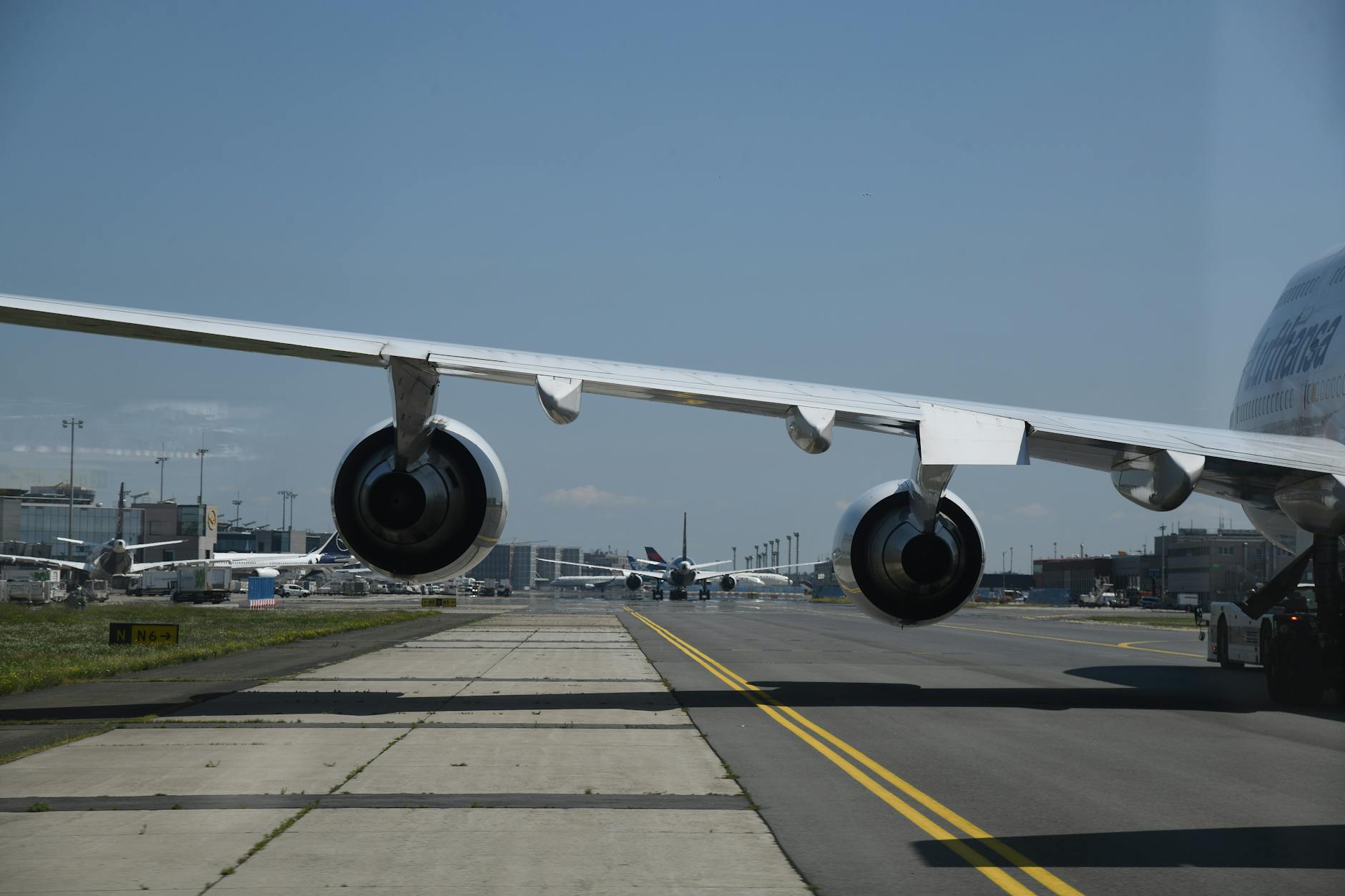
As the summer travel season approaches, a significant crisis looms over the aviation sector, driven by soaring jet fuel prices and potential supply shortages. The situation has escalated dramatically due to ongoing conflicts in the Middle East, particularly the closure of the Strait of Hormuz, a critical passage for oil shipments. With many airlines already adjusting their schedules and increasing fares, travelers face uncertainty as they plan their vacations.
The Surge in Jet Fuel Prices
Jet fuel prices have surged over 120% since the start of the conflict in the Middle East. The closure of the Strait of Hormuz has drastically limited fuel supplies, leading to fears of shortages. Major airlines are cutting flights and increasing ticket prices to cope with rising operational costs. Economic analysts warn of potential stagflation in Europe due to the energy crisis. Experts suggest that larger airports may prioritize fuel access, leaving smaller hubs vulnerable to shortages.
The unmistakable scent of jet fuel, often associated with travel, has taken on a new significance as prices have soared. The current crisis began in early March 2026 when the Strait of Hormuz was closed, leading to a drastic reduction in the supply of jet fuel, especially for Europe, which heavily relies on imports from the Gulf region. Before the conflict, jet fuel prices in Europe hovered around $831 per tonne. By early April, the cost had skyrocketed to approximately $1,838 per tonne, a staggering increase of over 120%. Although prices have since retreated slightly, they remain above $1,500, raising concerns about the sustainability of air travel as summer approaches.
Airlines Adjusting to New Realities
Airlines are feeling the pinch as fuel typically accounts for 25-30% of their operating costs. Many carriers have responded to the crisis by cutting flights and increasing fares. For instance, Lufthansa announced it would eliminate 20,000 flights by the end of October, while long-haul routes have seen particularly steep price hikes. A flight from London to Melbourne in June now costs 76% more than it did last year, according to consultancy research. Airlines like United Airlines have expressed their intent to recover the full increase in fuel costs from passengers, highlighting the urgency and severity of the situation.
In contrast, short-haul flights within Europe have shown a different trend, as some airlines have reduced prices to entice hesitant travelers. Wizz Air's CEO noted that price drops were occurring as airlines attempted to stimulate demand amidst uncertainty. This contrast between long-haul and short-haul pricing reflects the varying impacts of the fuel crisis across different sectors of aviation. While long-haul flights are becoming prohibitively expensive, airlines are trying to attract customers for shorter journeys by offering competitive pricing.
The Risk of Jet Fuel Shortages
The potential for physical shortages of jet fuel is a growing concern, particularly in Europe. The International Energy Agency (IEA) has warned that Europe may have only six weeks of jet fuel left, and if current import trends continue, reserves could reach critical levels by June. This situation raises the possibility of flight cancellations at select airports, especially smaller hubs that may be deprioritized in fuel distribution.
Despite the troubling outlook, some industry leaders remain optimistic about finding additional supplies. Wizz Air's CEO expressed confidence that creative solutions would emerge as prices remain high. However, experts caution that the impact of any shortages will not be uniform across Europe, with larger airports likely to be prioritized over smaller ones. This could lead to significant disparities in the availability of flights and travel options for passengers depending on their departure airport.
The European Aviation Sector's Vulnerabilities
The crisis has exposed the vulnerabilities of the European aviation sector, which is heavily reliant on fuel imports due to a lack of refining capacity. With the closure of several refineries in recent years, the UK is now left with only four operational refineries, and 65% of its jet fuel needs are met through imports. The loss of output from the Gulf region has exacerbated the situation, forcing airlines to scramble for alternatives. While some fuel is being sourced from East Asia and the United States, limitations in refining capabilities and differing fuel specifications complicate the situation further.
This reliance on external sources for fuel has made the aviation industry particularly susceptible to geopolitical tensions. The ongoing conflict in the Middle East not only disrupts supply chains but also introduces volatility in pricing, making it difficult for airlines to manage their operational costs effectively. As the situation evolves, airlines must navigate these challenges while attempting to maintain customer satisfaction and operational efficiency.
Government and Regulatory Responses
Governments and regulatory bodies are beginning to respond to the crisis. In the UK, the government is exploring options to allow airlines to cancel flights without losing valuable landing slots, which could help alleviate pressure on airlines struggling to maintain profitability. Similarly, the European Commission is considering measures to classify cancellations due to fuel shortages as exceptional circumstances, allowing airlines to avoid financial compensation obligations to passengers. These regulatory adjustments aim to provide some relief to airlines facing unprecedented challenges while also ensuring that passengers are not left stranded without recourse.
Economic Implications of the Crisis
As the conflict in the Middle East continues to disrupt global oil markets, the implications for the aviation industry are profound. Analysts have noted that the crisis has the potential to trigger a wider economic downturn, with predictions of stagflation in Europe as inflation rises due to energy supply disruptions. The situation has already led to increased prices across various sectors, including transportation and groceries, as countries grapple with the cascading effects of the crisis.
The potential for stagflation-a combination of stagnant economic growth and inflation-could have far-reaching consequences for consumers and businesses alike. As travel costs rise, disposable income for leisure activities may decrease, leading to reduced spending in other sectors of the economy. This, in turn, could exacerbate the economic challenges faced by many European countries already struggling with recovery from the pandemic.
Looking Ahead: Travelers and the Aviation Landscape
Travelers planning their summer getaways should remain vigilant as the aviation landscape continues to evolve amid this unprecedented crisis. With airlines adjusting schedules and fares in response to fluctuating fuel costs, the experience of air travel may be drastically different than in previous years. As the summer approaches, the hope is that solutions will emerge to stabilize fuel supplies and ensure that travelers can embark on their long-awaited vacations without further complications.
In summary, the jet fuel crisis poses significant challenges for the aviation industry as it grapples with soaring prices and potential supply shortages. The impact of these developments is likely to be felt across the entire travel sector, affecting not only airlines but also passengers who may face higher costs and reduced options as they plan their summer travel. The interplay between geopolitical events, economic conditions, and industry responses will shape the future of air travel in the coming months, making it imperative for travelers to stay informed and adaptable during this tumultuous period.