

Market Volatility Drives Surge in Precious Metal Sales
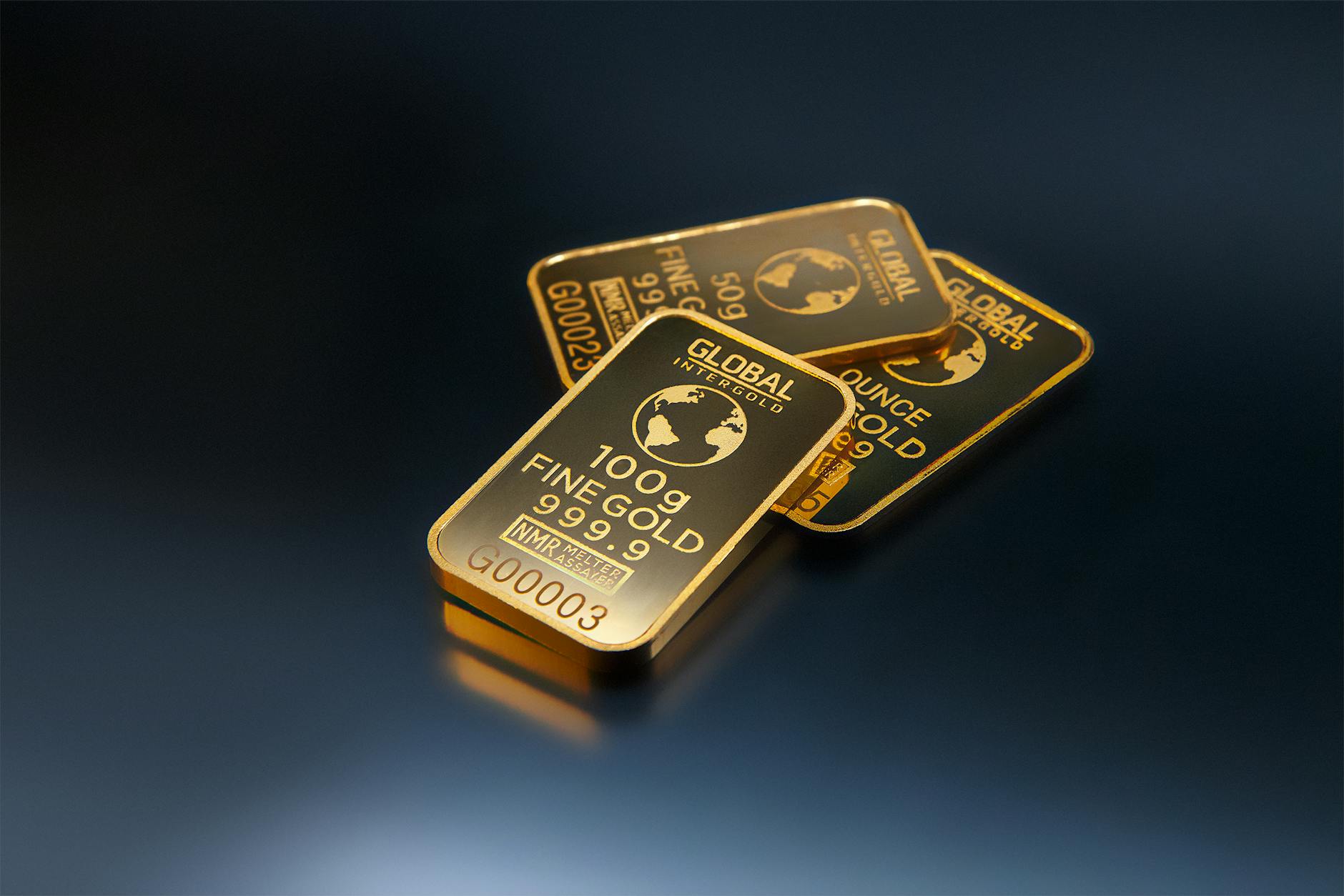
In a surprising turn of events, a recent spike in the trading of precious metals like gold and silver has left many potential sellers in a state of frenzy. As prices fluctuate dramatically, individuals are flocking to dealers to cash in on their valuable items, driven by the allure of high market values. However, experts caution that the volatility of these commodities can lead to hasty decisions and potential financial losses. With market conditions shifting rapidly, understanding the dynamics of selling precious metals has never been more crucial.
Last week, individuals such as Brian Leonard found themselves waiting in line outside Hatton Garden Metals, a family-run gold dealership in London. Leonard, who brought in a silver plate that had been sitting unused in his home, was among many eager to sell their items. The surge in interest highlights the ongoing appeal of precious metals as a safe haven for wealth, especially in uncertain economic times. This trend is not new; throughout history, gold and silver have been viewed as reliable stores of value, particularly during crises like the oil shock in the 1980s, the 2008 financial meltdown, and the disruptions caused by the COVID-19 pandemic.
The recent rally in prices, however, has been met with a sudden downturn. This decline began late last week, coinciding with President Donald Trump's appointment of Kevin Warsh as the new chair of the Federal Reserve, a move that provided investors with renewed certainty. According to Deutsche Bank, this announcement was a significant catalyst for the subsequent sell-off in precious metals, which continued into the following week as prices continued to drop. Analysts speculate that this may also be a natural market adjustment following the previous surge, which had many investors excited.
The trading environment for gold and other precious metals is characterized by high liquidity, meaning that there are numerous buyers and sellers engaging in transactions at any given moment. This fluidity can result in rapid price changes, leaving some sellers vulnerable to selling their items at unfavorable prices or buying at inflated rates. Personal finance expert Fanny Snaith emphasizes the importance of conducting thorough research and obtaining multiple valuations before making any decisions. She warns against selling jewelry or other items based solely on flashy advertisements, as the value of such pieces may extend beyond just the metal, taking into account factors like the quality of stones and the craftsmanship involved.
Moreover, the National Debtline, a financial advice charity, advises those looking to sell items to pay off debts to ensure they have full ownership of the jewelry. Selling items that are still under payment agreements-such as leases or hire-purchase arrangements-can lead to complications. In some cases, lenders may permit a sale, but it is unlikely that sellers will receive the full value of the item. If the jewelry is co-owned, both parties typically need to consent to any sale.
Snaith's insights highlight the potential pitfalls of selling jewelry in a volatile market. While there are certainly benefits, such as alleviating debt, there are also significant downsides. Selling an asset means losing the potential for future appreciation or using it as a family heirloom. The National Debtline cautions that individuals should weigh these factors carefully, as selling now could leave them without valuable resources in the future.
In the world of jewelry, trends are also shifting as a result of these market dynamics. Harriet Kelsall, a bespoke jeweler, notes that the current climate has brought about complex changes in consumer preferences. Many customers are now opting for less gold in their rings to maintain the same style without increasing costs. Conversely, those who can afford it are gravitating toward heavier, yellow-gold pieces, a stark contrast to the recent trend favoring understated white metals. This shift in consumer behavior reflects not only the fluctuating prices of gold but also the evolving tastes and priorities of buyers in the jewelry market.
Leonard, the seller of the silver plate, reflects on his decision to hold onto a gold watch that once served as a daily accessory. Although he had the opportunity to sell it at the market's peak, he chose to keep it as a reminder of better times. This sentiment underscores the idea that not all pieces of jewelry can be reduced to their monetary value; some hold significant personal meaning that transcends financial considerations. This emotional aspect of jewelry ownership is often overlooked in the rush to capitalize on market trends.
The current market volatility has also prompted many to reconsider the timing of their sales. Historically, precious metals have been seen as a hedge against inflation and economic instability. This has led to a surge in demand during times of uncertainty. However, the recent fluctuations in prices highlight the need for potential sellers to stay informed about market trends and economic indicators. Factors such as interest rates, inflation rates, and geopolitical events can all significantly impact the prices of gold and silver. For instance, rising interest rates generally lead to a stronger dollar, which can diminish the appeal of precious metals as alternative investments.
Furthermore, the psychological aspect of trading in precious metals cannot be overlooked. The fear of missing out (FOMO) can drive individuals to make impulsive decisions, leading them to sell at the wrong time. Conversely, the fear of loss can cause hesitation, preventing sellers from capitalizing on favorable market conditions. Understanding these psychological triggers is essential for anyone looking to navigate the precious metals market effectively. Behavioral finance research indicates that emotions often influence financial decisions more than rational analysis, making it crucial for sellers to maintain a level-headed approach amidst market noise.
As the market continues to experience fluctuations, potential sellers are advised to proceed with caution. The current environment is marked by uncertainty, and while the lure of high prices may be tempting, the risks associated with selling in a volatile market should not be underestimated. Those considering selling their precious metals should arm themselves with knowledge and seek multiple perspectives to ensure they make informed decisions. The gold and silver markets may be alluring, but the path to selling these assets requires careful navigation to avoid pitfalls that could lead to regret.