

Navigating Crowds: Heathrow's Unique Terminal Challenges
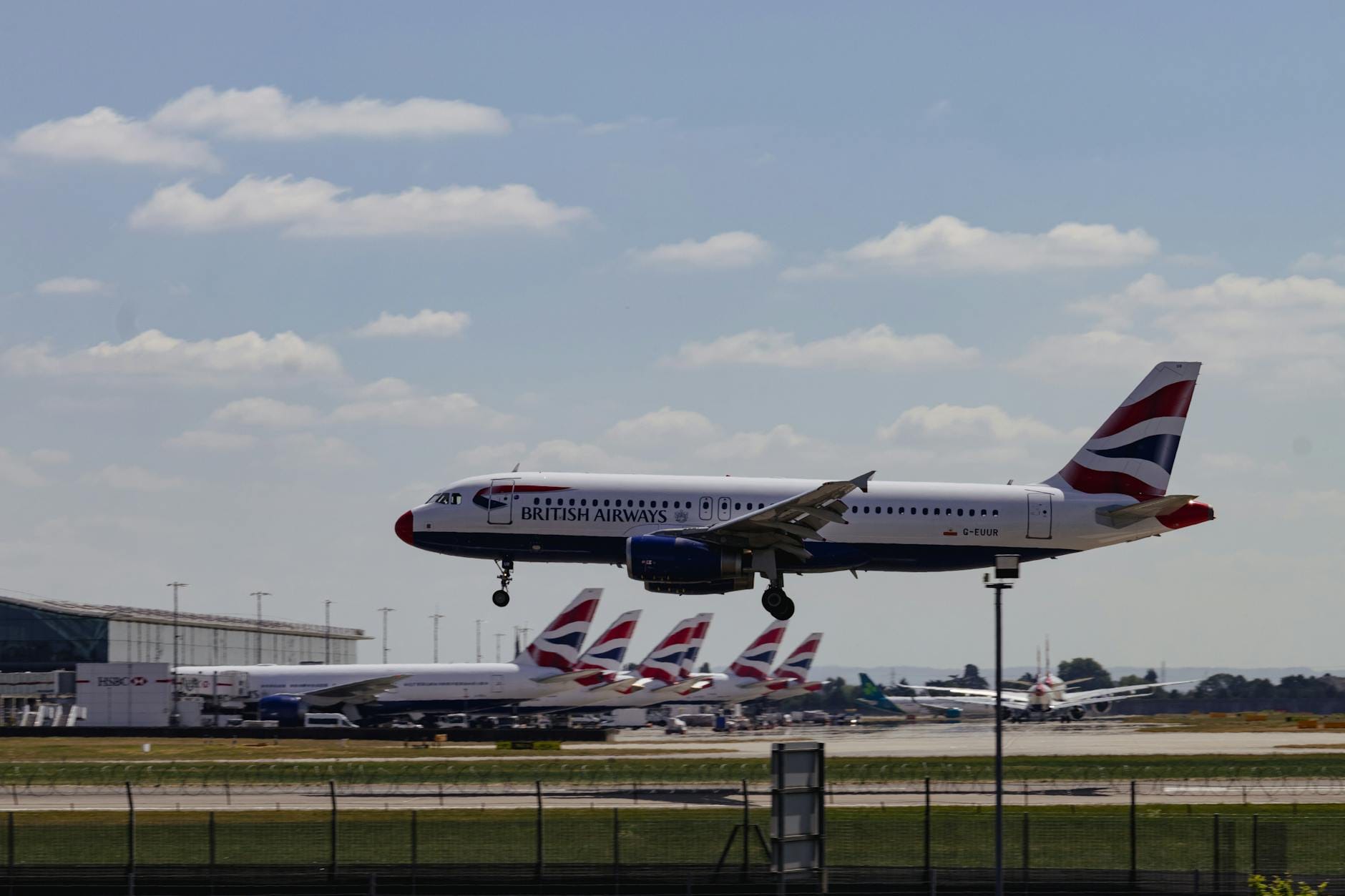
In recent discussions about airport management, Heathrow Airport's Terminal 5 has drawn attention not just for its capacity but also for its peculiar passenger flow. Thomas Woldbye, the airport's chief executive, shared insights at an industry event, emphasizing that the terminal itself isn't overcrowded; rather, it's the way passengers navigate the space that creates a sense of congestion. He noted a curious behavioral pattern: British travelers tend to stick to the left side of walkways, while their European counterparts favor the right. This misalignment leads to frequent collisions, impacting both the experience and perception of crowding.
Woldbye's observations highlight a broader issue in airport design and passenger experience. With Heathrow serving around 84 million travelers annually, there is potential for expansion, increasing capacity to an impressive 150 million with the addition of a third runway. However, this ambitious plan faces challenges, including regulatory hurdles and environmental concerns. Critics argue that the projected economic growth from expansion may not be as beneficial as suggested. Meanwhile, Woldbye pointed out that the airport must first address current operational inefficiencies before moving forward with major construction projects.
In addressing the crowding issue, Woldbye suggested that simple changes could significantly enhance passenger flow. By encouraging travelers to adhere to designated sides of walkways, the airport could reduce the number of collisions and create a more pleasant environment. He highlighted that perceptions of crowding are often just as important as actual numbers. For instance, Terminal 3, despite hosting a larger number of passengers, boasts a more favorable perception of space compared to Terminal 5, which has more room but feels congested. This discrepancy suggests that how space is organized and presented can greatly influence passenger comfort.
Removing clutter such as excess seating and telephone boxes in Terminal 3 has proven effective in making the space feel less crowded. Woldbye believes that similar strategies could be employed in Terminal 5 to improve the experience for travelers. By ensuring clear pathways and reducing obstacles, the airport could foster a sense of ease among passengers, allowing them to navigate with confidence.
As Heathrow continues to evolve, the conversation around its expansion remains contentious. While the government supports the idea of a third runway as a means to stimulate economic growth, experts question whether the anticipated benefits justify the environmental impact and disruption to local communities. The balance between development and sustainability is a delicate one, and the outcome of this debate will shape the future of not just Heathrow but the broader landscape of air travel in the UK.
Additionally, the challenges faced by Heathrow are not unique. Airports around the world, including Hong Kong International Airport, grapple with similar issues. Hong Kong's airport, one of the busiest globally, also focuses on managing passenger flow and optimizing space. As air travel demand continues to rise, the need for effective crowd management strategies becomes increasingly pressing. With more than 100 airlines operating from Hong Kong International Airport, the efficiency of passenger movement plays a crucial role in maintaining its status as a key hub in the Asia-Pacific region.
In summary, the dynamics of passenger behavior at airports like Heathrow are complex and require ongoing attention. Simple, thoughtful adjustments in how spaces are organized can lead to significant improvements in the travel experience. As the industry looks toward future expansions, addressing these fundamental issues will be key to ensuring that airports can accommodate growing numbers of passengers without sacrificing comfort or efficiency.
Understanding Passenger Behavior
The behavior of passengers in airports is influenced by a variety of factors, including cultural norms, personal habits, and even the design of the airport itself. Woldbye's observation regarding the tendency of British travelers to favor the left side of walkways, contrasted with European travelers who prefer the right, underscores the importance of understanding these behavioral patterns in order to enhance airport design and passenger flow. Such insights could lead to targeted improvements in signage and pathway design, thereby reducing confusion and increasing passenger satisfaction.
The Role of Airport Design
Airport design plays a crucial role in managing passenger flow. Terminals must not only accommodate large volumes of travelers but also ensure that the experience is as seamless as possible. This involves thoughtful planning of spaces, including check-in areas, security checkpoints, and boarding gates. The layout of these spaces can either facilitate smooth movement or contribute to bottlenecks and congestion. By studying how passengers move through the terminal, airport management can identify areas that require redesign or improvement.
The Economic Implications of Expansion
The debate surrounding Heathrow's potential expansion is not just about accommodating more passengers; it also involves significant economic implications. Proponents of the third runway argue that it will lead to job creation, increased tourism, and greater connectivity for the UK. However, opponents emphasize the environmental costs, including increased carbon emissions and noise pollution, which could have long-term impacts on local communities. The challenge lies in finding a balance between economic growth and environmental sustainability, a dilemma that many airports face in an era of heightened awareness about climate change.
Learning from Global Examples
Heathrow is not alone in facing challenges related to passenger management and airport design. Airports worldwide, such as Hong Kong International Airport, have developed innovative strategies to manage crowds. For instance, Hong Kong's airport has implemented advanced technology solutions, such as real-time crowd monitoring and data analytics, to optimize passenger flow and enhance the overall travel experience. These strategies can serve as valuable lessons for Heathrow as it navigates its own challenges.
Future Directions for Heathrow
As Heathrow looks to the future, it must prioritize not only expansion but also the optimization of its existing facilities. Addressing current operational inefficiencies, as highlighted by Woldbye, is essential before embarking on major construction projects. This could involve investing in technology that improves passenger tracking and flow, as well as redesigning spaces to minimize congestion. By focusing on these fundamental issues, Heathrow can better prepare itself for the anticipated increase in passenger numbers while maintaining a high standard of service.