

NYSE Ventures into Tokenized Stocks, Raising Questions about Crypto's Future
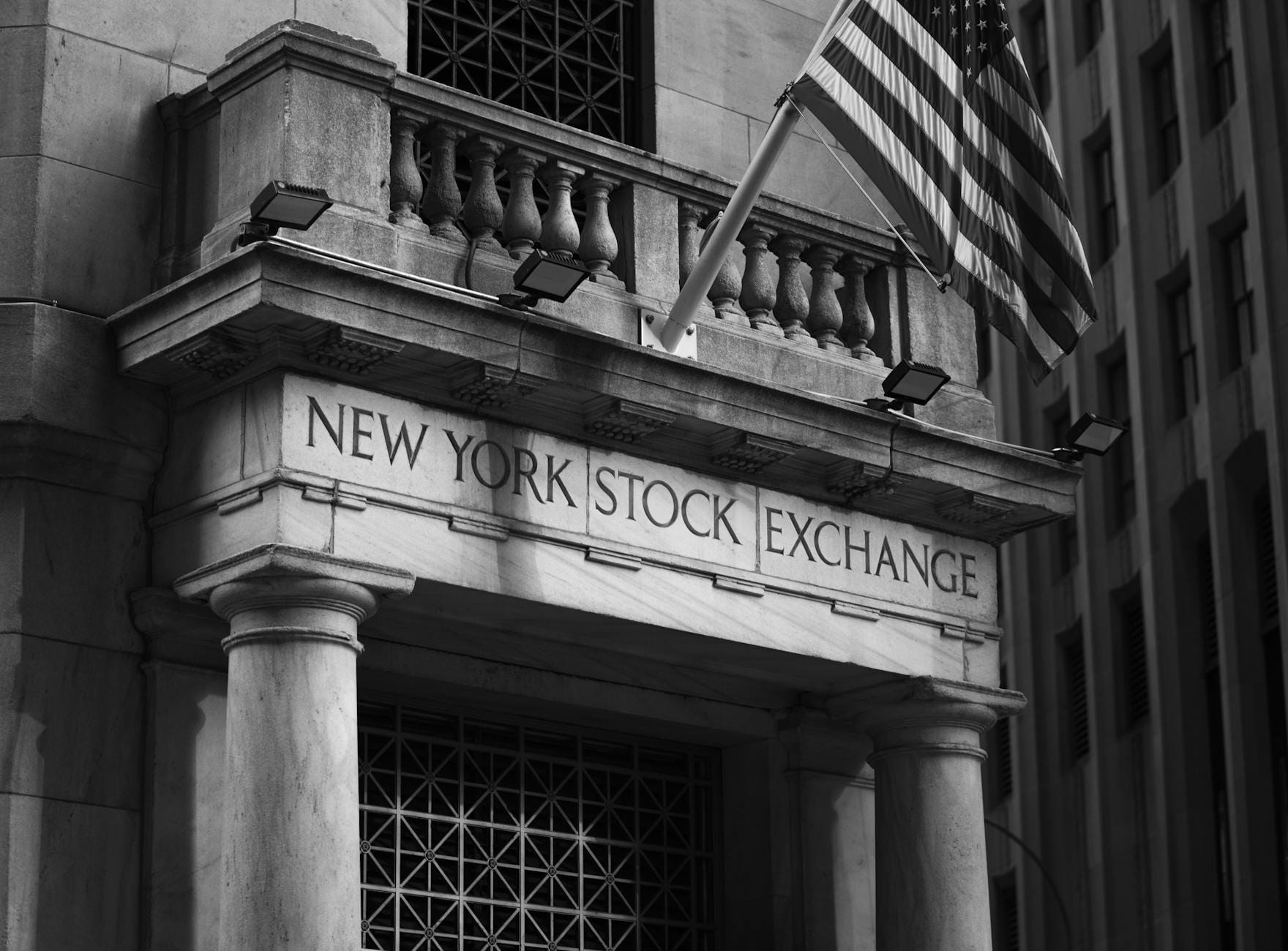
On Monday, the New York Stock Exchange (NYSE) made headlines with the announcement of its new tokenized securities platform, which aims to revolutionize the trading of U.S. stocks using blockchain technology. This innovative platform promises several cutting-edge features, such as 24/7 trading and immediate asset settlement. However, it is essential to note that this initiative will operate separately from the traditional NYSE trading environment.
The NYSE's move into tokenized stocks represents a significant shift in the landscape of financial trading, as the exchange seeks to harness the potential of blockchain technology. This technology allows for greater transparency and efficiency in transactions, which could lead to lower costs for investors and faster execution times for trades. The concept of tokenized stocks is not entirely new, but the NYSE's involvement lends a level of credibility and institutional backing that could accelerate the adoption of this technology across the financial sector.
As the NYSE embarks on this venture, it is currently seeking regulatory approval, a crucial step considering the ongoing discussions in Congress surrounding the CLARITY Act. This act aims to provide clear guidelines for the tokenized stock trading landscape, yet it has recently faced challenges, particularly highlighted by the withdrawal of support from major crypto exchange Coinbase. The CLARITY Act is designed to create a regulatory framework that distinguishes between cryptocurrencies and traditional securities, which is vital for the NYSE's tokenized stocks to operate within the legal confines of U.S. financial regulation.
Despite Wall Street's growing enthusiasm for tokenization, there are significant differences between the NYSE's approach and the public blockchains that many crypto advocates champion. Reports indicate that the NYSE will utilize private blockchains rather than public networks like Ethereum or Solana. Private blockchains are permissioned, meaning that only authorized entities can participate, often under the control of a single organization or a consortium of banks. This contrasts sharply with the decentralized nature of public networks, where anyone can join the ecosystem. The choice of a private blockchain raises questions about the level of transparency and accessibility that the NYSE's platform will offer compared to traditional public blockchains.
The trend towards private blockchains is gaining traction among centralized financial institutions. For instance, stablecoin issuers like Circle and Tether are now promoting their own blockchain systems designed specifically for stablecoin transactions. These initiatives aim to sidestep the costs associated with decentralization, which may be unnecessary for centrally issued assets like USDC and USDT. Although these private networks often maintain compatibility with the Ethereum Virtual Machine (EVM), it is crucial to recognize that they do not share any direct connection to the public Ethereum network or its native cryptocurrency, ETH. This distinction is important as it highlights the potential limitations of private blockchains in terms of interoperability and the broader crypto ecosystem.
The discussion around tokenized stocks also touches upon the growing interest from various financial firms in utilizing public crypto networks. Currently, the total value of stocks issued as tokens on public networks is estimated at around $850 million. Companies like Robinhood have previously positioned stock tokenization as a central feature of their Ethereum layer-two network, while other crypto-focused fintechs, including Coinbase and Kraken, are also exploring this space. However, it remains uncertain where these tokenized stocks will ultimately be traded, raising questions about the future of this financial innovation. As these developments unfold, the implications for investors and the regulatory environment will be significant.
As centralized institutions like the NYSE begin to build on crypto's foundational layers, there is a growing concern about the potential for increased centralization within the tokenized asset landscape. This trend mirrors the developments seen in the stablecoin sector, where the emergence of tech giants and banks issuing their own stablecoins has sparked debates about the implications for decentralization in the broader crypto ecosystem. The NYSE's announcement also highlights the anticipated use of stablecoins as a funding mechanism for its tokenized stock trading. The reliance on stablecoins, which are often pegged to traditional currencies, raises further concerns about the alignment of these new financial instruments with the original ethos of cryptocurrencies, which sought to create a more decentralized financial system.
The ongoing reliance on stablecoins and centralized systems for greater adoption of crypto is gradually distancing the sector from the original vision laid out by Bitcoin's creator, Satoshi Nakamoto. Nakamoto's design emphasized disintermediating financial and technological institutions, a principle that seems increasingly at odds with the current trajectory of the crypto world. The Bitcoin network's focus on its own native asset, as opposed to centrally issued tokens, has provided some protection against this trend toward centralization. However, the growing institutional backing for Bitcoin as a long-term reserve asset-evident through involvement from entities such as the Harvard University endowment and the U.S. government-raises concerns about the future of bitcoin custody and its decentralization.
Despite these challenges, Bitcoin continues to serve as a decentralized haven for investors during economic crises, as demonstrated in recent events in Iran. The evolving landscape of tokenized stocks, private blockchains, and centralized stablecoins presents a complex picture, one that will require careful navigation by all stakeholders involved. The NYSE's foray into tokenized securities marks a pivotal moment for the intersection of traditional finance and the burgeoning world of cryptocurrency, inviting both skepticism and optimism about the future of trading and asset management.
As the NYSE moves forward with its tokenized stocks initiative, the broader implications for the crypto market and traditional finance remain to be fully understood. Investors and regulators alike will be watching closely to see how this new platform unfolds and whether it can successfully bridge the gap between established financial systems and the innovative possibilities offered by blockchain technology. As the dialogue around the CLARITY Act progresses and regulatory frameworks evolve, the NYSE's actions could serve as a bellwether for the future of tokenization in finance.
In summary, the NYSE's introduction of a tokenized securities platform encapsulates the ongoing tension between traditional finance and the principles of decentralization that underpin cryptocurrencies. With regulatory approval on the horizon, the financial world is poised for transformation, albeit one that may lean towards centralization rather than the decentralized ideals that initially propelled the crypto movement forward. As this narrative continues to unfold, it will undoubtedly shape the landscape of investing, trading, and the very nature of ownership in the years to come. The NYSE's initiative serves as a reminder of the potential for innovation within the financial sector, even as it grapples with the challenges posed by the evolving nature of money and assets in the digital age. The implications of this shift are profound, as the NYSE's efforts could redefine how we perceive ownership and trading in a digital future, potentially paving the way for more integrated financial systems that leverage the advantages of blockchain technology while also raising fundamental questions about the role of traditional institutions in a rapidly changing economic landscape.