

Portugal and Italy Maintain Strict Border Checks for British Travelers Amid EU Rollout
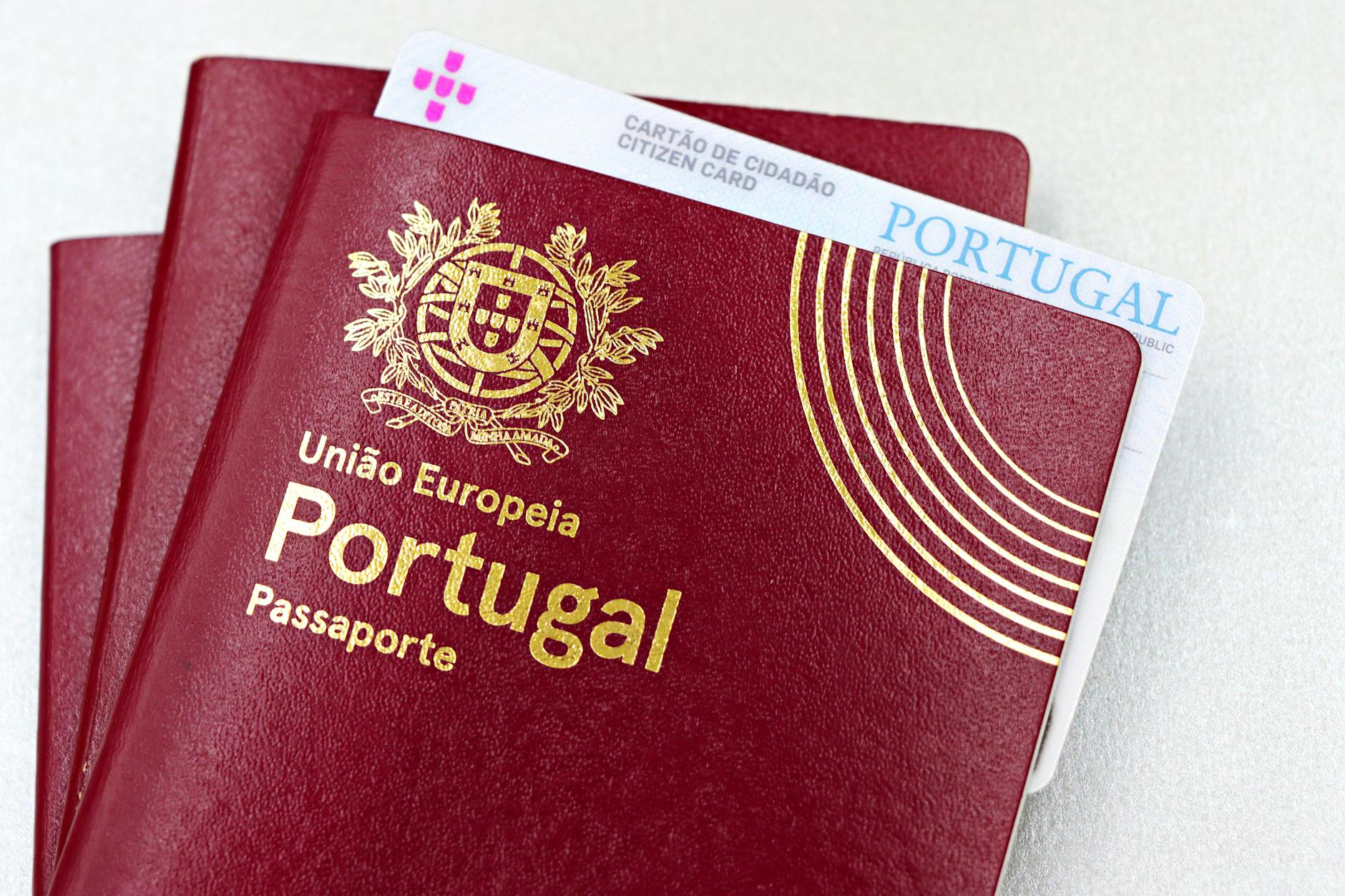
In a move that may surprise many British travelers, the European Commission has confirmed that both Portugal and Italy will not be exempting British nationals from the new biometric checks being implemented at borders. These checks, which include fingerprinting and facial scanning, are part of the European Union's Entry-Exit System (EES) that aims to enhance border security and streamline the entry process for non-EU visitors. This decision contrasts with recent actions taken by Greece, where biometric checks for British citizens have effectively been suspended to alleviate lengthy delays during the busy summer travel season.
The EES, which was introduced last October and fully operational since April, requires most visitors from outside the EU and European Economic Area to provide biometric data each time they enter or leave the Schengen Area. Though the European Commission maintains that the system has been functioning effectively, numerous reports indicate that travelers, particularly from the UK, have faced significant delays at various border crossings. In some instances, these delays have led to passengers missing their flights altogether, particularly from busy airports like Milan Bergamo.
The situation has raised concerns among holidaymakers and airlines alike as the summer travel season approaches. Amid rising jet fuel costs and other logistical challenges, airlines have already cut thousands of flights in anticipation of potential disruptions. Despite the chaos at some airports, the Commission has clarified that Portugal and Italy have no plans to suspend biometric checks for British nationals, stating that both countries aim to adhere strictly to the new regulations.
As travelers prepare for their summer vacations, many are left wondering how these changes will affect their plans. The EES was designed to improve the efficiency of border checks, but the rollout has been met with a fair share of criticism and operational hurdles. Reports suggest that long queues have become a common sight at various European airports, with travelers often waiting for extended periods to clear passport control.
The European Commission has been in contact with Greece regarding its handling of biometric checks and the implications of its decision to suspend these measures for British travelers. The Commission reiterated that while temporary suspensions are permitted under specific circumstances, there are no provisions for blanket exemptions for any nationality over an extended period. This clarification suggests that travelers should prepare for the possibility of stringent border checks in Portugal and Italy, regardless of the experiences reported in Greece.
Travelers have been urged not to alter their plans despite the ongoing challenges, as there is currently no fuel shortage in the UK. The situation remains fluid, with many hoping that the implementation of the EES will eventually lead to smoother travel experiences. However, for now, the reality at the borders may remain frustrating for many, particularly for those traveling from the UK.
As the summer season approaches, the travel industry is grappling with multiple challenges, including higher operational costs and the need to manage passenger expectations amid the new biometric requirements. With airlines cutting flights to manage demand and ensure safety, the focus remains on how effectively the EES can be integrated into the travel experience without causing undue stress for travelers.
For British nationals planning to visit Portugal or Italy, it is essential to stay informed about the latest border regulations and prepare for possible delays as the new system continues to be implemented across Europe. The European Commission's commitment to maintaining strict border checks may lead to a more complex travel experience than many had hoped for, especially during the peak summer months.
Understanding the Entry-Exit System (EES)
The Entry-Exit System (EES) is a vital component of the European Union's strategy to enhance border security while facilitating smoother travel for non-EU visitors. Designed to replace the existing manual passport control processes, the EES aims to automate entry and exit procedures through the collection of biometric data, including fingerprints and facial images. This data is stored in a centralized database, enabling border authorities to verify the identity of travelers quickly and efficiently.
The EES was officially launched in October 2022, with full operational capacity reached in April 2023. The system primarily targets travelers from outside the EU and the European Economic Area (EEA), which includes countries like Norway, Iceland, and Liechtenstein. By requiring biometric data from visitors, the EU hopes to enhance its ability to monitor and control immigration, combat illegal border crossings, and improve overall security within the Schengen Area.
However, the system's implementation has not been without challenges. Reports have emerged of significant delays at border crossings, particularly during peak travel times. Travelers from the UK, who previously enjoyed relatively seamless access to EU countries, have found themselves facing lengthy queues and extended wait times as border officials adapt to the new procedures. These delays have raised concerns about the potential impact on travel plans, with some passengers missing flights due to the prolonged processing times.
The Impact on British Travelers
For British nationals, the decision by Portugal and Italy to maintain strict biometric checks represents a notable shift in travel dynamics post-Brexit. Previously, UK citizens could travel freely within the EU without the need for additional biometric data collection. However, the introduction of the EES means that British travelers will now be subject to the same scrutiny as other non-EU visitors.
This change has prompted mixed reactions among travelers. While some appreciate the increased security measures, others are concerned about the potential for delays and complications during their travels. The contrasting approach taken by Greece, which has temporarily suspended biometric checks for British nationals, adds to the uncertainty. Many travelers are left wondering whether they will encounter similar leniency in Portugal and Italy or if they should brace for a stricter experience.
Airline Industry Response
The airline industry is also feeling the effects of the EES rollout. With rising operational costs and the need to manage passenger expectations, airlines have started to adjust their flight schedules accordingly. Thousands of flights have already been cut in anticipation of potential disruptions caused by the new border checks. Airlines are keen to avoid situations where passengers are left stranded due to missed flights, and as such, they are taking proactive measures to mitigate the impact of the EES on travel.
In addition to cutting flights, airlines are also focusing on providing clear communication to travelers regarding the new requirements. Many airlines are urging passengers to arrive at airports earlier than usual to account for potential delays at passport control. By doing so, they hope to alleviate some of the stress associated with the new biometric checks and ensure a smoother travel experience for their customers.
Future Outlook
As the summer travel season approaches, the situation at European borders remains fluid. The European Commission's commitment to maintaining strict border checks in Portugal and Italy signals that travelers should prepare for potential delays and complications. While the EES was designed to enhance security and streamline entry processes, its implementation has encountered significant challenges that continue to affect travelers.
Travelers are encouraged to stay informed about the latest developments regarding border regulations and to plan accordingly. As the EES becomes more established, there is hope that the system will ultimately lead to a more efficient travel experience. However, for now, British nationals planning to visit Portugal or Italy should be prepared for a more complex and potentially frustrating journey as they navigate the new biometric requirements.