

Ryanair Faces Profit Decline Amid Middle East Turmoil and Rising Fuel Costs
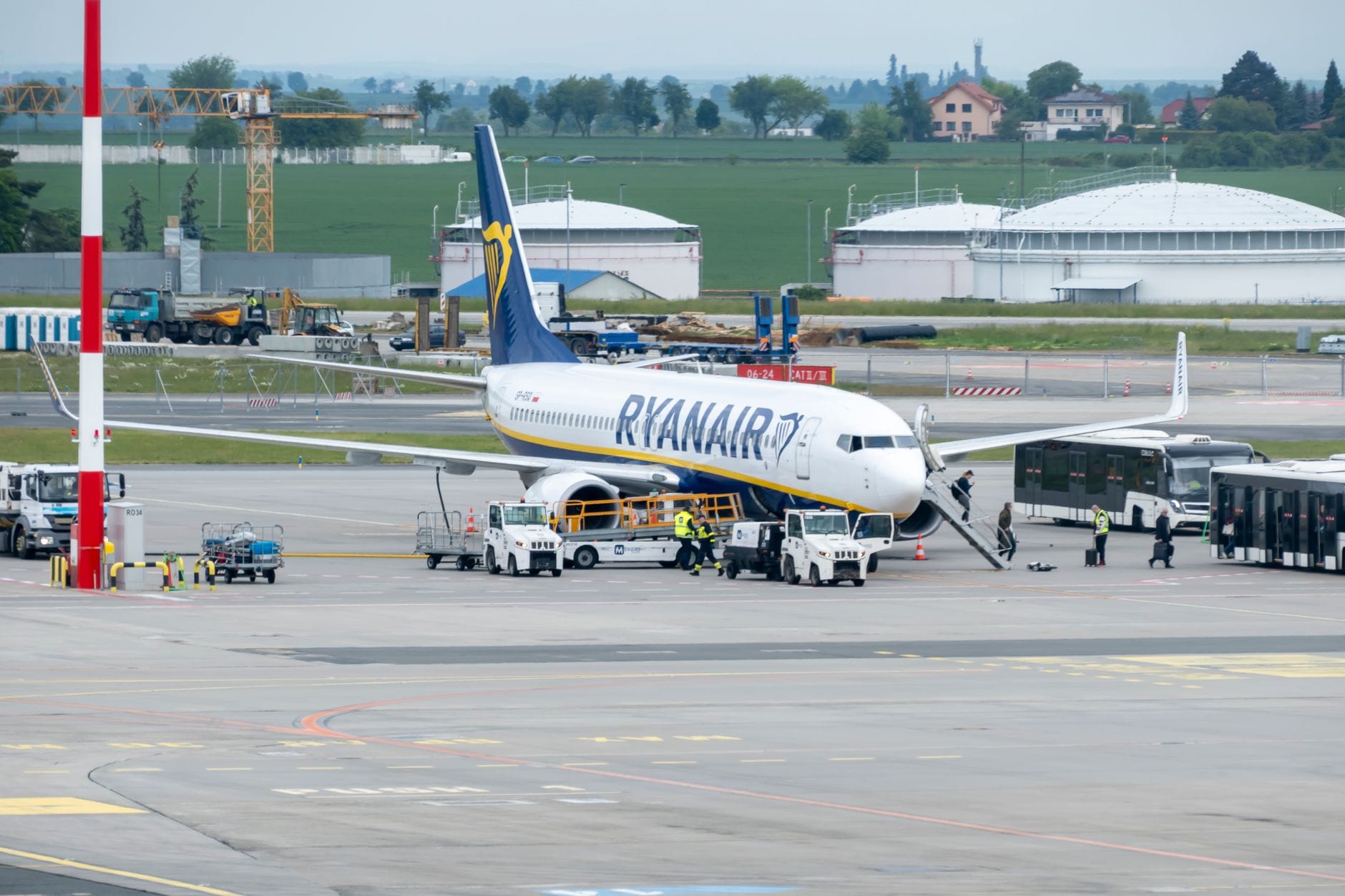
Ryanair Faces Profit Decline Amid Middle East Turmoil and Rising Fuel Costs
Ryanair, one of Europe's largest low-cost carriers, has recently reported a staggering drop in profits, attributed largely to the ongoing geopolitical turmoil in the Middle East and the significant rise in fuel costs. In its latest financial report, the airline revealed a 34% decrease in pre-tax profits, which fell to 593 million euros during the April to June period of the current fiscal year. This decline reflects not only the immediate financial challenges faced by the airline but also highlights broader trends impacting the aviation industry in the context of global instability.
Financial Overview: Declining Profits Amid Rising Costs
The financial report from Ryanair indicates that, despite a modest increase in passenger numbers and overall revenue, the airline was compelled to reduce its fares to stimulate demand. This decision came as potential travelers expressed hesitancy in booking flights, largely due to the uncertainties stemming from geopolitical events in the region. The airline's finance chief, Neil Sorahan, pointed out that while flights to popular Mediterranean destinations remained fully booked, there has been a noticeable shift in customer booking behavior. Many travelers are now opting to book their tickets closer to their intended travel dates, a trend that reflects a broader consumer hesitancy that has emerged in light of recent conflicts.
During the April to June quarter, Ryanair reported a 6% increase in passenger traffic, serving approximately 6.1 million travelers. This growth was partly driven by the Easter holiday in April, which typically sees an uptick in travel. However, the airline's revenue growth was tempered by a 6% decline in fares, a necessary strategy to attract customers who are now more cautious about their travel plans. The airline's ability to maintain profitability amidst these challenges is a critical aspect of its operational strategy, as it navigates through a landscape marked by fluctuating demand and rising operational costs.
Geopolitical Landscape and Fuel Price Surge
The airline's financial struggles cannot be viewed in isolation; they are closely tied to the escalating tensions in the Middle East, particularly following renewed hostilities between the United States and Iran. The conflict has led to a surge in crude oil prices, which recently hit $90 a barrel, raising operational costs for airlines worldwide. For Ryanair, a carrier that operates on a model focused on minimizing costs, these fluctuations in fuel prices have a pronounced effect on profitability. The company's strategy to hedge against rising fuel prices has provided some protection; however, not all fuel costs are covered under these agreements, leaving Ryanair vulnerable to external shocks.
The impact of rising fuel costs is particularly significant for low-cost airlines like Ryanair, which rely on maintaining low base fares to attract customers. As the airline navigates these turbulent waters, its financial outlook remains precarious, with the potential for further escalation of conflicts in the Middle East and Ukraine adding to the uncertainty. The interplay between fuel prices and geopolitical stability is a critical factor that airlines must continuously monitor, as it directly affects their operational costs and pricing strategies.
Market Dynamics and Consumer Behavior
In response to the current market dynamics, Ryanair has adjusted its pricing strategy. The airline's stock price has already shown signs of strain, falling by 5% following the release of its financial results. Investment analysts have noted that while Ryanair may be in a better position compared to some of its rivals, the overall visibility for the airline's future remains murky amid ongoing geopolitical conflicts. This situation highlights the delicate balance that airlines must maintain between operational efficiency and market demand, especially during times of crisis.
The changing consumer behavior is evident as travelers become more cautious in their planning. The trend of booking flights closer to departure dates not only impacts airlines' revenue forecasts but also complicates their operational planning. Airlines typically rely on advanced bookings to gauge demand and optimize their flight schedules, but the current climate of uncertainty has disrupted these traditional patterns. As customers become more risk-averse, airlines are forced to adapt their strategies to maintain competitiveness in a challenging environment.
Future Outlook: Navigating Uncertainty
As the summer travel season progresses, Ryanair is bracing for what could be a challenging period ahead. The company has indicated that it expects summer fares to be slightly lower than those of the previous year, reflecting the current market dynamics and consumer sentiment. The ability of Ryanair to adapt to these changing circumstances will be crucial for its continued success in the competitive low-cost travel market. The airline's management is likely to focus on enhancing customer service and operational efficiency while keeping a close eye on market trends that could influence demand.
Despite the challenges it faces, Ryanair remains one of the largest and most recognized airlines in Europe, operating a vast network of flights across 36 countries. The airline's business model, characterized by low base fares supplemented by ancillary revenue from additional services, has allowed it to maintain a competitive edge. However, analysts caution that the current economic climate poses significant risks for the airline's future performance. The dual pressures of rising operational costs and shifting consumer behavior necessitate a proactive approach to ensure long-term sustainability.
: The Broader Implications for the Airline Industry
Ryanair's recent profit decline serves as a stark reminder of the vulnerability of the airline industry to external shocks. As geopolitical tensions continue to influence fuel prices and consumer behavior, the future remains uncertain for Ryanair and its competitors. The focus will now be on how the airline navigates these challenges and whether it can maintain its position as a leader in the low-cost travel market despite the turbulent environment. The implications of Ryanair's situation extend beyond the airline itself, as it highlights the interconnectedness of global events and their impact on the travel industry as a whole.
In summary, the situation at Ryanair underscores the interconnectedness of global events and their impact on the travel industry. The airline's experience illustrates the broader implications of geopolitical issues, affecting not just profits but also passenger confidence and behavior. As the industry grapples with these challenges, the ability of airlines to adapt and respond to shifting market conditions will be critical for their survival and growth in the coming years. The ongoing evolution of consumer preferences, coupled with the volatility of global fuel prices, will shape the future landscape of the airline industry, requiring companies to remain agile and forward-thinking.