

The Future of Robotics: A Quest for Graceful Motion
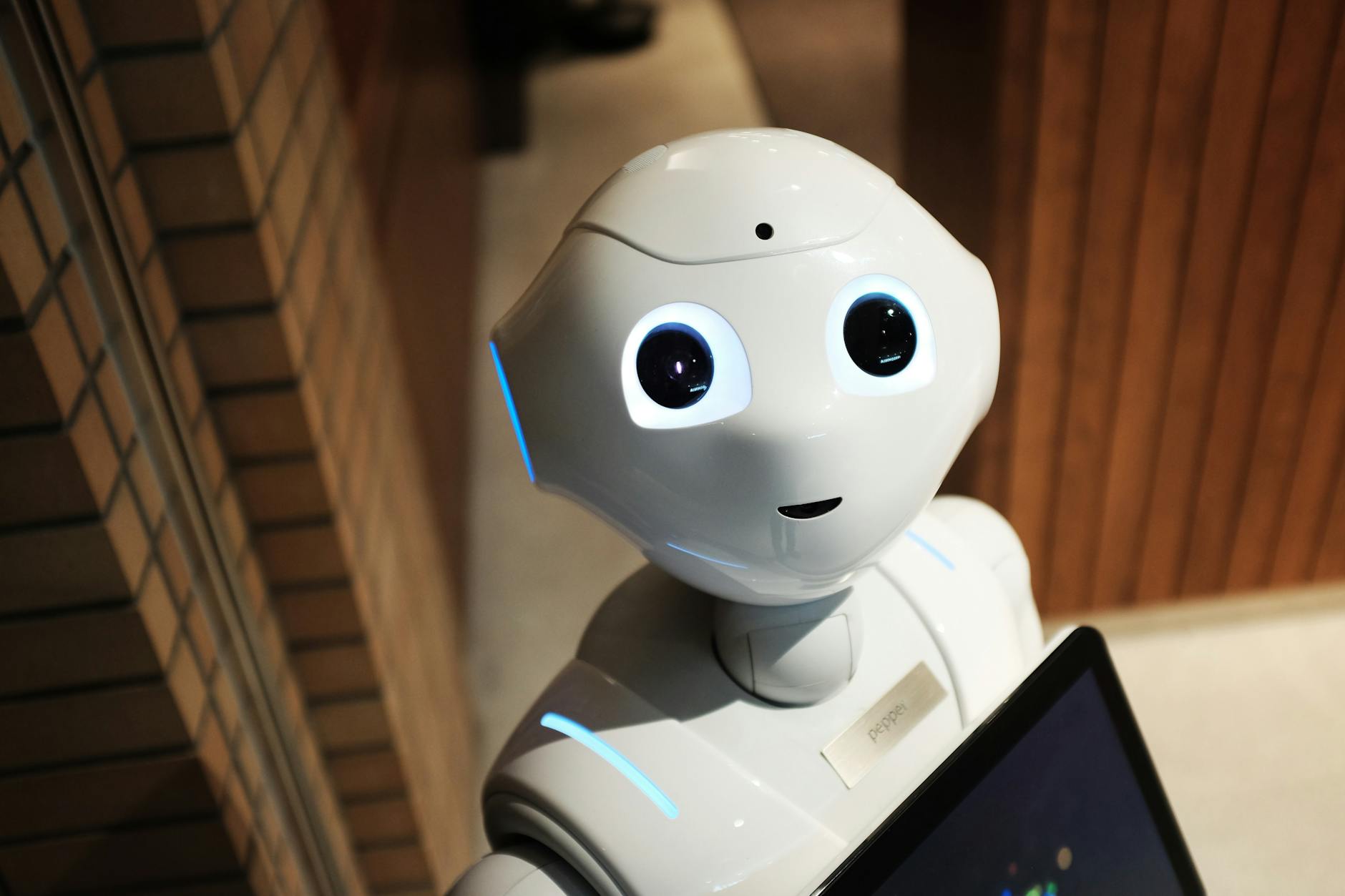
In the world of robotics, the quest for more graceful and efficient machines has taken center stage. Recent developments in actuator technology promise to revolutionize how robots move, potentially making them not only more functional but also safer to interact with. The journey towards creating robots that can mimic the fluidity of human movement is fraught with challenges, yet the innovations being pursued are nothing short of remarkable.
The Current State of Robotics
Robotics enthusiasts are pushing the boundaries of what is possible, blending creativity with engineering. The development of advanced actuators is crucial for creating robots that can maneuver with precision and grace. Actuators, which are components responsible for converting energy into motion, play a pivotal role in how robots function. The current generation of actuators, however, is limited in several ways. They often rely on direct current (DC) motors, which excel in high-speed applications but struggle with the torque needed for tasks that require lifting or pushing heavy objects.
Mike Tolley, a researcher at the University of California San Diego, emphasizes that human movement is fundamentally different from the way DC motors operate. While fans spin effortlessly, humans need to perform complex actions that require a balance of speed, strength, and precision. For robots to interact safely with humans, their actuators must be back-driveable-meaning they can quickly reverse their motion to avoid accidents. This need for responsive and intelligent design is at the forefront of current robotics research.
The Energy Challenge
Another significant issue with existing robots is their energy consumption. Jenny Read, who oversees robot dexterity programs at Aria, points out that electric motors tend to drain batteries rapidly. This limitation poses a challenge for creating robots that can operate for extended periods without frequent recharging. Moreover, smaller actuators designed for compact robots often overheat, further complicating their utility. The energy efficiency of actuators is thus a critical area of focus for researchers and engineers alike.
Innovating Actuator Design
In response to these challenges, companies like Schaeffler are innovating new actuator designs aimed at enhancing robot efficiency and safety. Schaeffler's collaboration with British robotics company Humanoid focuses on creating actuators that not only provide precise control but also deliver real-time data on their operational status. This data-driven approach enables computers to adjust movements dynamically, a crucial feature for robots operating in environments shared with humans.
David Kehr, president of Humanoid robotics at Schaeffler, describes the development process as a complex puzzle, requiring careful optimization of friction and movement capabilities. The goal is to create robots that can perform tasks seamlessly, whether it's loading parts in a factory or assisting in healthcare settings. Schaeffler is not just interested in developing technology for external partners; they also aim to integrate robotics into their own manufacturing processes to address labor shortages.
Meanwhile, Boston Dynamics, a leader in robotics innovation, has partnered with South Korean automotive parts manufacturer Hyundai Mobis to develop a new generation of actuators. These actuators are designed to be reliable and safe, drawing on the advanced technology used in electric power steering systems. Se Uk Oh, vice president of Hyundai Mobis, underscores the importance of quality and reliability in actuator design, particularly when human safety is at stake.
Exploring Alternative Materials and Concepts
As researchers explore new avenues for actuator design, some are turning to alternative materials and concepts. Tolley's team is experimenting with soft robots powered by air, allowing them to move in ways traditional robots cannot. This approach not only enhances durability but also expands the environments in which robots can operate, such as transitioning from land to water without the risk of damage. These soft robots, which can withstand significant stress, represent a shift towards more adaptable and resilient robotic designs.
Moreover, innovative materials like elastomers-flexible substances that change shape in response to electrical stimuli-are being investigated as potential components for future actuators. While these technologies are still in the experimental stages, they hold the promise of creating robots that move more gracefully, akin to the natural movements of animals. Read notes that while elastomers have yet to revolutionize actuator tech, the pursuit of such advancements is essential for the evolution of robotics.
The Role of Enthusiasts and Innovators
British YouTuber James Bruton has turned his passion for robotics into a lively project, creating a giant walking robot inspired by the iconic At-At walker from Star Wars. Bruton's aim was to construct a robot that could move with some level of control and grace, a task that required him to design four powerful legs capable of precise movement. His journey is not just about building a spectacle but rather a step into the future of robotic design, where the focus is on creating machines that are not only functional but also engaging.
Bruton's creation is a testament to the challenges faced by roboticists today. The intricacies involved in crafting actuators remain a significant hurdle. Actuators are essential for all kinds of machinery, enabling motion in various forms, whether linear or rotational. The current generation of actuators, however, is far from ideal. Many still rely on direct current (DC) motors, which excel in high-speed applications but lack the torque needed for tasks that require lifting or pushing heavy objects.
The Future of Robotics
The ultimate ambition of these endeavors is to create robots that are not only functional but also capable of performing tasks with the fluidity and grace that characterize human movement. As advancements continue, the dream of developing robots that can safely and effectively work alongside humans becomes more attainable. The combination of innovative design, advanced materials, and intelligent actuators is paving the way for a new era in robotics, one where machines are not clunky and heavy but instead fluid and responsive.
In this evolving landscape, the contributions from enthusiasts like Bruton, researchers at universities, and companies pushing the boundaries of technology are all vital. The interplay between creativity and engineering is essential for making robots not only useful but also affordable and accessible. As we look ahead, the potential for robotics to transform industries, improve lives, and redefine our relationship with machines is immense. The journey towards creating graceful robots continues, driven by the relentless pursuit of innovation and the desire to bring science fiction closer to reality.
As we stand on the brink of a new era in robotics, the developments in actuator technology signal a promising future. The integration of advanced materials, innovative designs, and intelligent systems will not only enhance the functionality of robots but also ensure their safety in human environments. The collaboration between researchers, engineers, and enthusiasts fosters an environment ripe for breakthroughs, making it an exciting time for the field of robotics. With each advancement, we move closer to a world where robots are not just tools but partners in our daily lives, capable of performing tasks with the grace and efficiency that we often take for granted in human movement. The future is bright, and the quest for graceful motion in robotics is paving the way for transformative changes across various sectors.