

The Impact of Dry Weather on Grocery Shopping
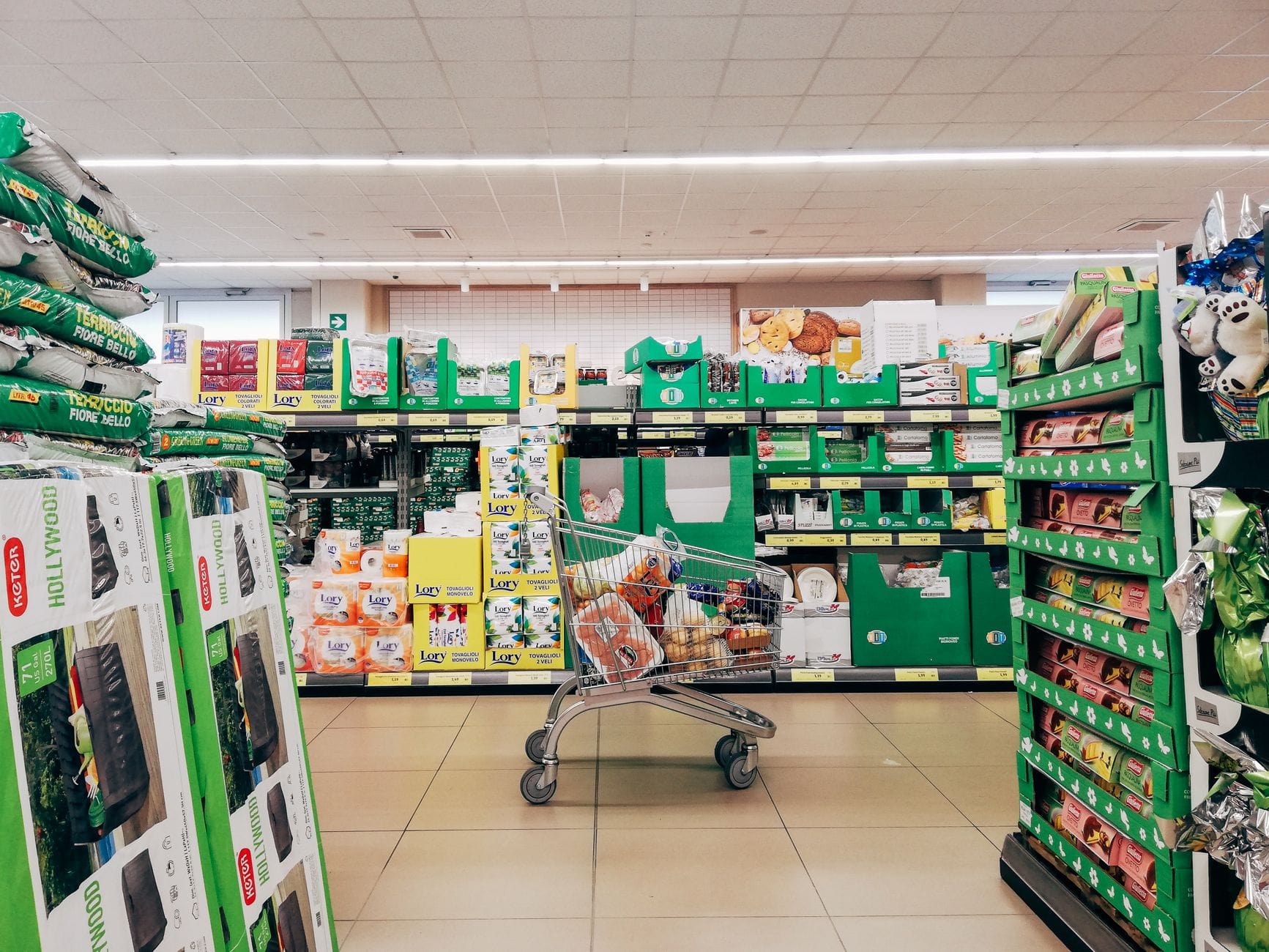
In recent weeks, the weather has taken a turn for the drier, affecting more than just our daily routines. As drought conditions persist across various regions, the ripple effects are being felt at grocery stores and supermarkets. Shoppers are beginning to notice higher prices and limited availability of certain items, raising questions about the long-term implications of these weather patterns on food supply. The situation is complex, as it intertwines agricultural production, transportation logistics, and consumer behavior.
Droughts are not just a seasonal inconvenience; they can have long-lasting repercussions on crop yields. Farmers rely heavily on consistent rainfall to grow their produce, and when that is interrupted, the consequences can be severe. For instance, fruits and vegetables that typically flourish in moist conditions are now facing increased stress, leading to reduced harvests. This, in turn, translates to less product availability in local grocery stores, which is a concern for many consumers who rely on these staples for their daily meals.
The effects of dry weather extend beyond just fresh produce. Grains, which form the backbone of many food products, are also at risk. A poor harvest of wheat or corn can lead to increased prices for bread, pasta, and even animal feed, which could further drive up the costs of meat and dairy products. As these essential items become more expensive, families may have to rethink their grocery budgets and meal planning strategies.
In addition to affecting the quantity of produce available, the dry weather also impacts prices. With lower supply comes higher demand, and grocery prices are adjusting accordingly. Shoppers might find themselves paying more for their favorite fruits and vegetables, as retailers adjust their pricing strategies to account for the increased costs they incur from farmers. This situation can create a cycle that leaves consumers feeling frustrated as they navigate their weekly shopping trips.
As the situation evolves, consumers are urged to stay informed about the ongoing weather patterns and their potential impacts on food availability and pricing. Understanding the connection between weather and agriculture can empower shoppers to make more informed choices. For example, opting for locally sourced products might not only support local farmers but could also provide more stable pricing in the face of changing weather conditions.
The interplay between weather and grocery prices is not a new phenomenon. Historically, fluctuations in climate have driven changes in agricultural output, which in turn have affected food prices. For instance, the 2012 drought in the United States had a significant impact on corn and soybean production, leading to higher prices across various food categories. Similarly, the current dry conditions are reminiscent of past droughts that have reshaped consumer behavior and shopping habits.
Moreover, the global nature of food supply chains means that the effects of drought are not confined to a single region. Countries that rely on imports for their food supply may find themselves at the mercy of fluctuations in agricultural output from drought-affected areas. This interconnectedness underscores the importance of understanding how local weather patterns can have far-reaching implications on a global scale.
In recent years, there has been a growing emphasis on sustainable agricultural practices that can help mitigate the effects of drought. Techniques such as crop rotation, conservation tillage, and the use of drought-resistant crop varieties are becoming increasingly important as farmers strive to adapt to changing climate conditions. These practices not only help maintain crop yields during dry spells but also contribute to the long-term health of the soil and ecosystem.
As consumers, we can play a role in supporting sustainable practices by choosing products that are grown with environmentally friendly methods. This not only helps local farmers but also encourages a shift towards more resilient agricultural systems that can withstand the challenges posed by climate change.
The importance of understanding these dynamics cannot be overstated. When consumers are aware of the factors affecting food prices and availability, they can make more informed decisions. This awareness can lead to more thoughtful purchasing habits, such as choosing seasonal produce, which is likely to be more abundant and, therefore, more affordable.
Furthermore, the implications of dry weather on grocery shopping extend beyond individual choices. As prices rise, there is a potential for increased food insecurity among vulnerable populations. Families with limited budgets may struggle to afford basic necessities, leading to a greater reliance on food banks and community resources. This highlights the need for policies that support sustainable farming practices and food access initiatives to ensure that all individuals can obtain the nutrition they need, regardless of economic fluctuations.