

The Limits of Connected Car Technology: A Cautionary Tale
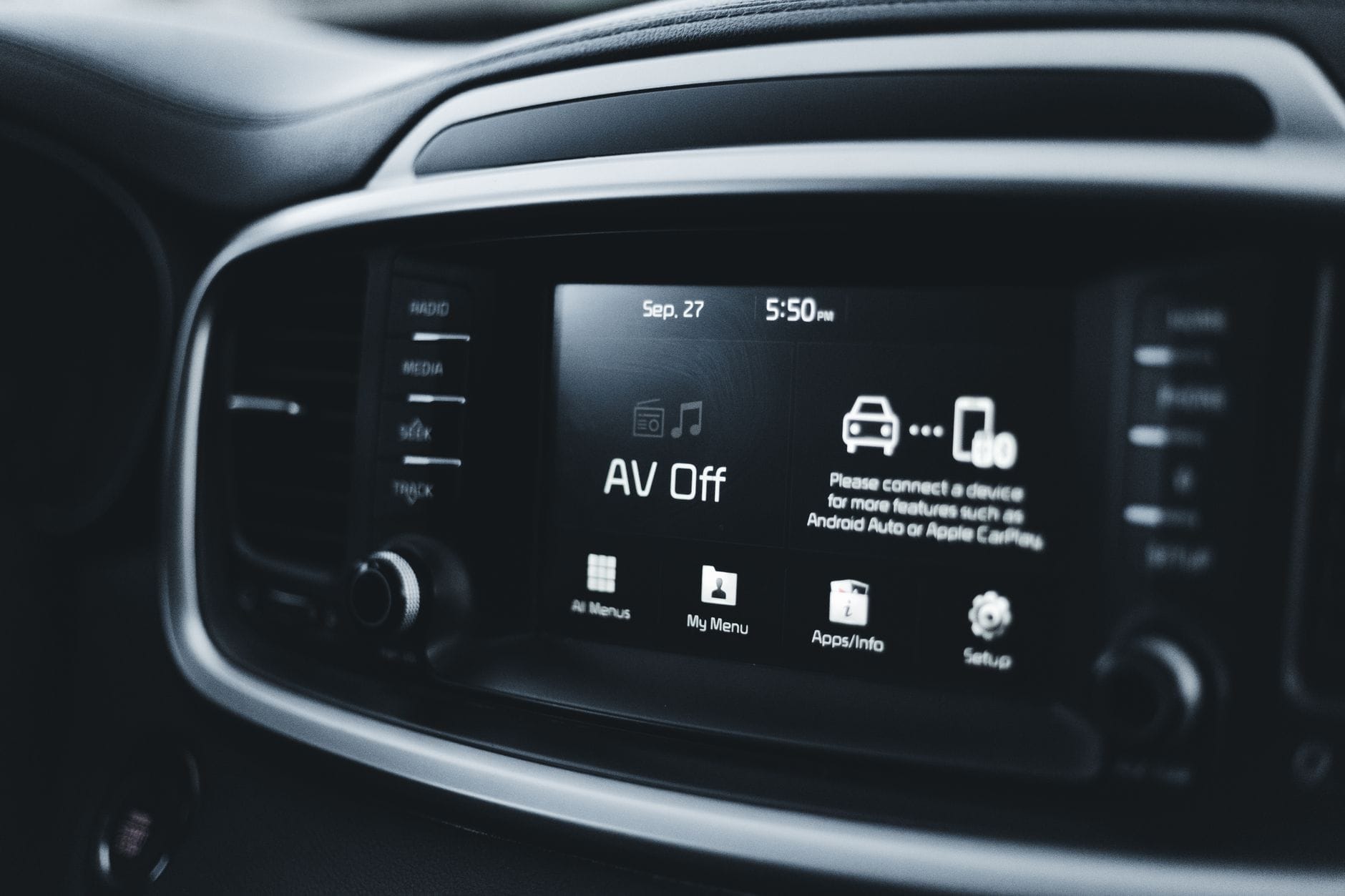
In a world increasingly dependent on technology for convenience and security, the story of one man's stolen Kia highlights the stark reality of connected car features. Despite having access to live location data through the Kia Connect app, Ian Fogg found himself unable to retrieve his vehicle after it was stolen. Experts warn that such apps should not be relied upon for security, as they are designed more for convenience than for effective theft recovery. This incident raises important questions about the reliability of technological solutions in the face of crime and the gap between consumer expectations and reality.
The Rise of Connected Cars
The rise of connected cars has introduced a new layer of convenience for drivers, with features designed to enhance the driving experience. These vehicles often come equipped with technology that allows owners to monitor their cars remotely, receive alerts about maintenance issues, and even start their engines from a distance. However, as Ian Fogg's experience illustrates, the promise of these technologies can sometimes be misleading. While connected car features are marketed for convenience, they often fall short when it comes to security.
In Fogg's case, he was a technology analyst who believed in the benefits of connected car technology. His Kia was stolen from outside his home, and despite having the Kia Connect app, which provides live location data, he was unable to retrieve his vehicle. He had even set up an Apple Airtag in the car, thinking it would help track it down if stolen. However, the thieves quickly found and discarded the Airtag, which had started making noise-a feature designed by Apple to prevent stalking. This incident underscores a significant gap between what consumers expect from their connected vehicles and what the technology can actually deliver.
Misconceptions About Vehicle Tracking
According to Thatcham Research, a car safety firm, many car owners mistakenly believe that their vehicle's tracking features are designed for effective security. In reality, these features are primarily intended for convenience. Kia confirmed that their connected car services, such as Kia Connect, do not function as certified vehicle trackers and cannot provide live tracking for stolen cars due to legal restrictions. This means that while consumers may feel reassured by the presence of these technologies, they may not be as effective in real-world scenarios as they expect.
Fogg's experience reveals how vulnerable even technologically advanced vehicles can be. He was abroad when he received notifications that he no longer had access to the Kia Connect app. The thieves had broken into his vehicle without keys, exploiting an unsecured process that allowed them to disconnect his phone from the car's entertainment system. Fogg watched helplessly through his video doorbell as his car was driven away. This scenario highlights the limitations of relying solely on connected car technology for security.
Bureaucratic Hurdles in Recovery Efforts
After the theft, Fogg attempted to contact Kia for assistance in tracking the vehicle, but he was met with bureaucratic hurdles. Each time he requested the car's location, he had to fill out a form, and the response came 24 to 48 hours later, by which time the car had already moved on. Kia's response to Fogg's situation emphasizes the limitations of their technology. The company stated that the release of location details must comply with applicable laws, including GDPR, which governs data protection in Europe. This means that in the event of theft, law enforcement cannot easily access the data without specific consent from the Home Office, a process that is rarely pursued in cases of standard vehicle theft.
The Current Landscape of Vehicle Theft
In the UK, car theft remains a pressing issue, with nearly 55,000 vehicles reported stolen in 2025, a slight decrease from the previous year. However, the reality is that only about 13% of stolen vehicles are recovered, raising serious concerns about the effectiveness of current security measures in place for cars. Fogg's situation underscores the need for car manufacturers to prioritize security in their connected car features, as the technology industry has done with mobile phones. While smartphones have improved their theft protection measures, the car industry appears to lag behind.
A Call for Better Security Measures
As technology continues to advance, consumers are increasingly drawn to the idea of connected cars that promise convenience and enhanced functionalities. However, this reliance on technology can lead to a false sense of security. Fogg's experience serves as a reminder that while cars today may be equipped with sophisticated technology, they are still vulnerable to theft, and the tools meant to protect them may not be as effective as advertised. In an age where car theft is prevalent, it is crucial for car owners to take proactive measures to safeguard their vehicles, including investing in dedicated tracking devices that offer a higher level of security.
Experts suggest using independently certified tracking devices for better security. Unlike connected car apps, these devices are engineered to provide real-time location monitoring and come with their own power sources, ensuring they remain operational even if the vehicle's battery is compromised. This proactive approach can significantly increase the chances of recovering a stolen vehicle.
Understanding the Technology Behind Connected Cars
Connected cars utilize various technologies, including GPS, cellular networks, and sometimes Wi-Fi, to enable features that enhance the user experience. These technologies allow for remote diagnostics, software updates, and even navigation assistance. However, the complexity of these systems can sometimes create vulnerabilities that are exploited by criminals. The integration of such technologies into vehicles has not been met with an equivalent focus on security, leading to significant gaps in protection.
The security of connected vehicles often relies on the strength of the software and the encryption protocols used to protect data. However, as seen in Fogg's case, these systems can be susceptible to hacking and unauthorized access. The automotive industry must prioritize not only the development of innovative features but also the security measures that protect them from potential threats.
The conversation surrounding connected car technology and its limitations is likely to continue as more consumers adopt these vehicles. It is essential for manufacturers to be transparent about the capabilities and limitations of their products and to prioritize the security of their customers' vehicles. As Fogg's story illustrates, the promise of technology should not overshadow the fundamental need for effective security measures to protect valuable assets like cars. Ultimately, the responsibility lies with both consumers and manufacturers to ensure that vehicles are equipped with reliable security features that can truly deliver in times of crisis. As the landscape of vehicle technology evolves, maintaining a balance between convenience and security will be crucial for the future of connected cars.