

The Rise of Bluetooth Trackers: Finding Your Lost Items with Ease
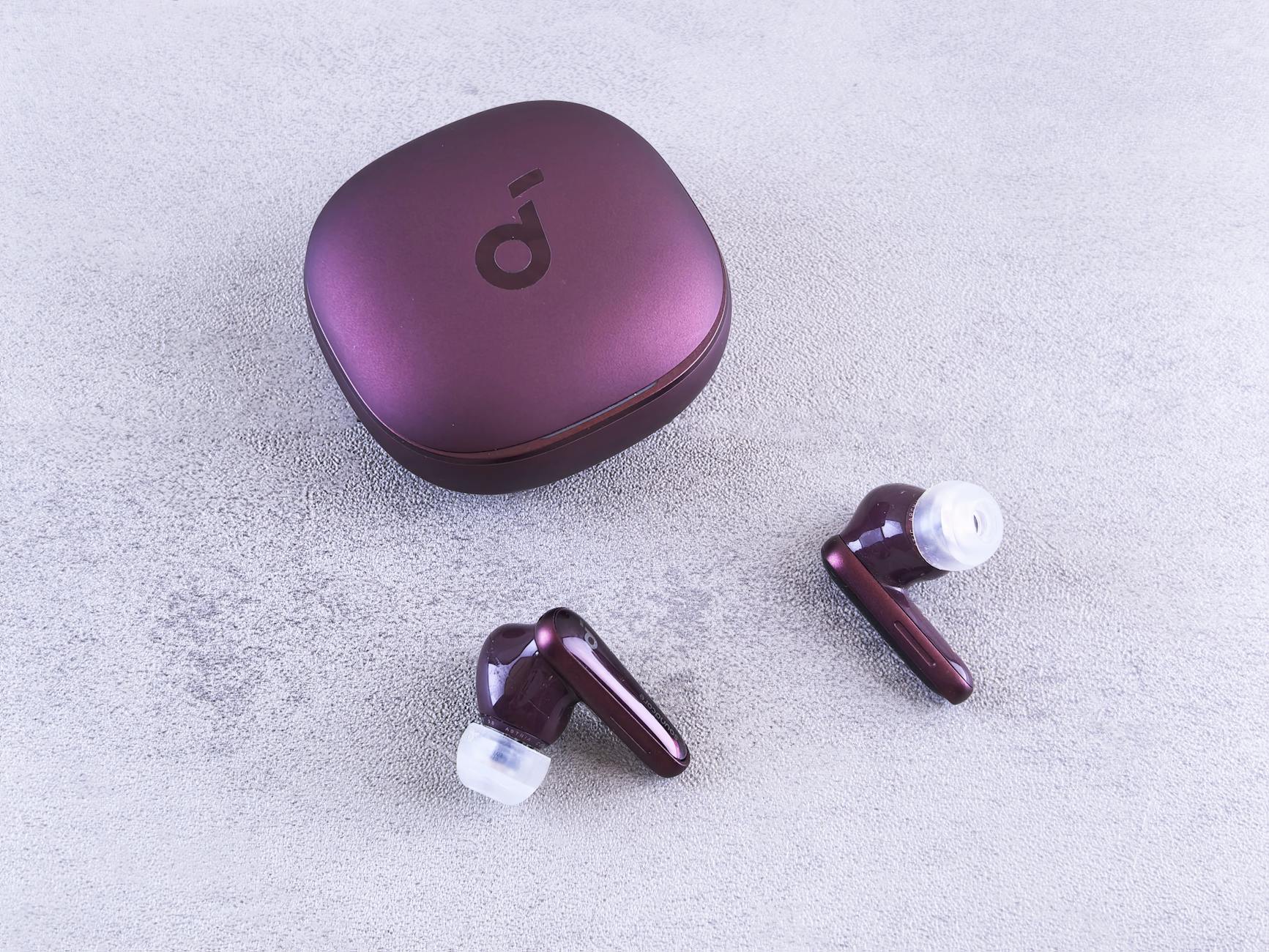
- Bluetooth trackers help locate lost items using smartphone apps.
- Devices like Apple's AirTag utilize ultra-wideband technology for precision tracking.
- Tile Pro remains a top choice for Android users and mixed households.
- Many trackers offer anti-stalking features to prevent misuse.
- Bluetooth trackers have become essential tools for those prone to misplacing belongings.
In an age where time is precious and distractions are plenty, losing everyday items such as keys, wallets, or remote controls has become a common frustration. The introduction of Bluetooth trackers has revolutionized the way we manage our belongings, offering a technological solution to a perennial problem. These compact devices can be attached to personal items, allowing users to locate them through a smartphone app. As the market for Bluetooth trackers expands, various options have emerged, each boasting distinct features tailored to different user needs.
Bluetooth trackers have been around for several years, but recent advancements have significantly enhanced their capabilities. The fundamental operation of these devices remains straightforward: users attach the tracker to an item, pair it with their smartphone, and when the item goes missing, they can use the app to ring the tracker or view its last known location. However, modern trackers come equipped with advanced features such as ultra-wideband (UWB) technology and access to expansive networks, which significantly improve their effectiveness in locating lost items.
For iPhone users, Apple's AirTag stands out as the premier tracker in the market. Launched in April 2021, AirTags utilize UWB technology, enabling precise location tracking that allows users to find their items with remarkable accuracy. The accompanying Find My app provides directional guidance, making it easier for users to navigate to their lost belongings. Leveraging Apple's extensive Find My network, which includes approximately one billion devices globally, AirTags can locate items even when they are out of Bluetooth range. This crowd-sourced feature is particularly beneficial; users have shared success stories of retrieving lost keys or bags after receiving notifications that they were left behind.
However, the enhanced tracking capabilities of AirTags have also raised significant privacy and security concerns. Reports have surfaced detailing instances where individuals have misused AirTags to track others without their consent, leading to serious ethical questions about the technology. In response to these alarming reports, Apple has implemented a series of anti-stalking measures. The company has reduced the time it takes to notify users of an unknown AirTag's presence nearby, increased the volume of alerts, and introduced an app for Android users to scan for unknown AirTags. During the setup process, Apple emphasizes that AirTags are designed solely for tracking personal belongings, aiming to clarify their intended use.
Despite the advantages that AirTags offer, some users have voiced frustration over the additional costs associated with the device. While the AirTag is priced at $29, users often need to purchase additional accessories to attach the tracker to items like keys or luggage. Fortunately, a robust market for third-party accessories exists, providing alternatives at various price points. Additionally, AirTags feature a replaceable battery, which can be a cost-effective solution compared to purchasing a new tracker when the battery runs out.
For Android users, the Tile Pro has emerged as a leading competitor in the Bluetooth tracker market. Priced at $35, the Tile Pro boasts an impressive Bluetooth range of up to 400 feet, making it suitable for tracking items even when they are outside the home. A notable advantage of the Tile Pro is its user-replaceable battery, allowing users to avoid ongoing costs associated with battery replacements. Tile devices can also tap into the Tile Network and Amazon Sidewalk, enhancing their ability to locate items that are beyond Bluetooth range.
Tile's integration with Life360 has introduced innovative features that enhance its functionality. Users can now send SOS alerts to emergency contacts and share access with others on a shared map, making it easier to keep track of family members or friends. However, while Tile offers a range of features without requiring a subscription, many of its more advanced functionalities-such as location history and item reimbursement-are locked behind a $29.99 annual subscription fee. New members can take advantage of a one-year trial, allowing them to explore these premium features without immediate financial commitment.
The variety of Bluetooth trackers available on the market caters to diverse user needs. While Apple's AirTags are ideal for those within the Apple ecosystem, Tile's range of products offers flexibility for Android users or mixed-device households. Tile provides multiple designs, including the Tile Slim for wallets and the Tile Sticker for smaller items like remotes or pet collars. This variety allows users to choose the design that best suits their specific tracking requirements.
In addition to the practical uses of Bluetooth trackers, it is crucial to remain vigilant about their potential for misuse. Companies are increasingly aware of the risks associated with unwanted tracking and are actively working to enhance their anti-stalking features. For instance, Tile has introduced measures to render its devices invisible to unwanted tracking detection in cases of theft; however, this feature requires users to submit a government ID for activation. This proactive approach illustrates the industry's commitment to addressing privacy concerns while still providing valuable tracking solutions.
As the technology behind Bluetooth trackers continues to evolve, users can expect even more innovations in the future. The introduction of new models, such as an updated AirTag with improved UWB capabilities, is on the horizon. These advancements promise to enhance user experience further, making it even easier to keep track of personal belongings and ensuring that the technology remains relevant in a rapidly changing world.