

Tiny Falcons Play a Big Role in Protecting Cherry Farms
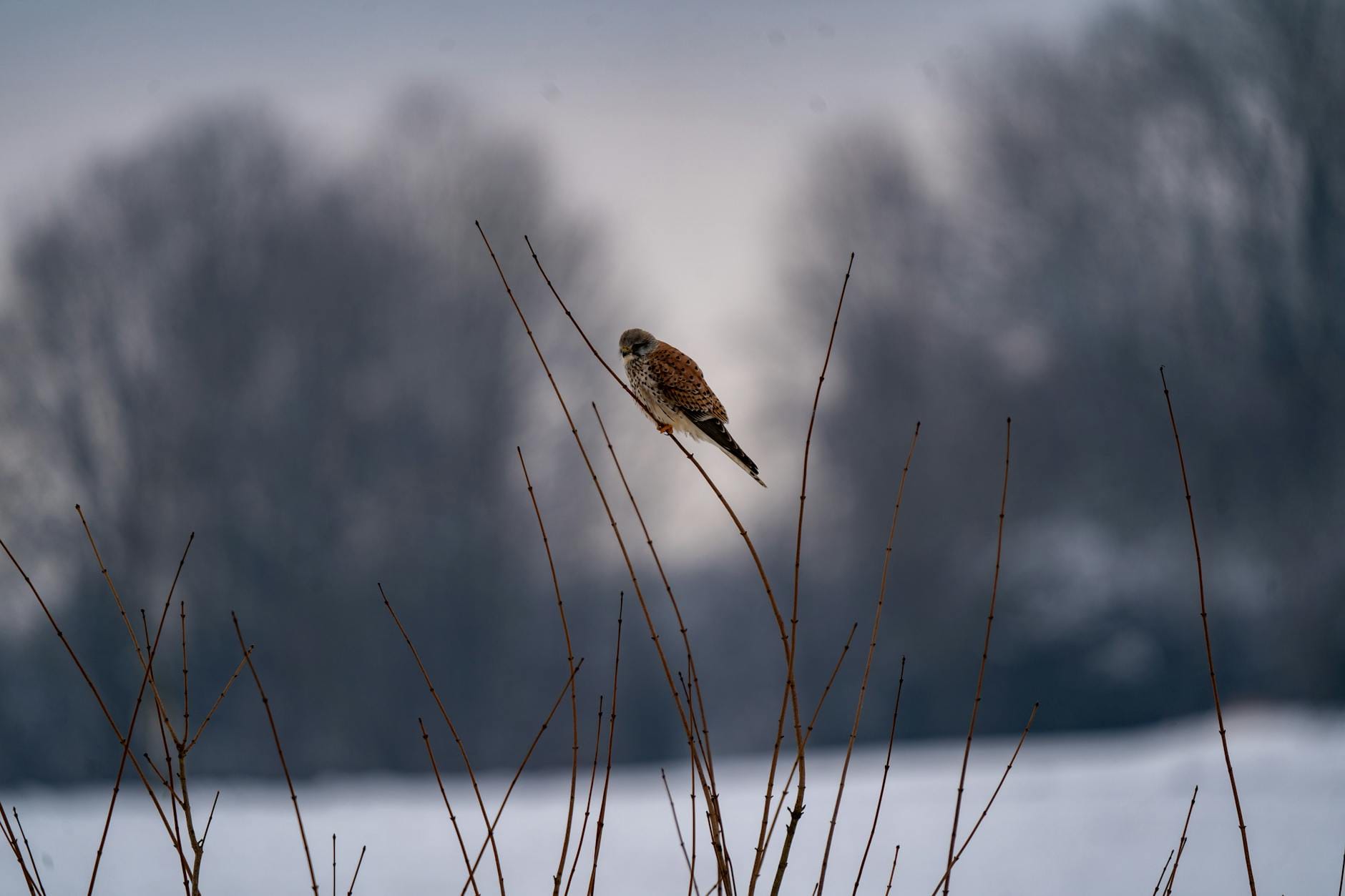
- Recent studies reveal that kestrels, small falcons, are effective in reducing food safety risks on cherry farms.
- Campylobacter, a common foodborne pathogen, is on the rise, posing a threat to public health.
- Kestrels help control pest populations, minimizing damage to crops while safeguarding food safety.
- Farmers are encouraged to install nesting boxes to attract these beneficial birds.
- The initiative supports both agricultural productivity and environmental conservation by preserving local wildlife habitats.
In the lush cherry-growing regions of Michigan, a remarkable partnership between nature and agriculture is taking shape. Tiny falcons, known as kestrels, are emerging as unlikely heroes in the fight against foodborne illnesses, particularly those caused by Campylobacter, a bacteria that has become a rising concern in food safety. As farmers grapple with pest management and crop protection, these small birds of prey are proving to be a natural solution that benefits both the environment and the agricultural economy.
Campylobacter is a common cause of food poisoning, and its prevalence has been increasing not only in Michigan but also globally. The bacteria primarily spread to humans through contaminated food products, often linked to infected animals such as chickens and other birds. Although only one outbreak of campylobacteriosis has been definitively traced back to wild bird feces, the Centers for Disease Control and Prevention (CDC) suggests that the bacteria may be significantly underreported. This underreporting is largely due to the milder symptoms it causes compared to other foodborne pathogens, leading to many cases going unrecognized.
In this context, the introduction of kestrels onto cherry farms offers a promising avenue for enhancing food safety. Research indicates that these small falcons can significantly reduce both physical damage to crops and the risks associated with foodborne pathogens. By bolstering the local kestrel population, farmers can create a more balanced ecosystem where pest control is naturally managed, reducing the reliance on chemical pesticides that can harm both the environment and public health.
Catherine Lindell, an avian ecologist at Michigan State University and a senior author of a recent study on this topic, emphasizes the importance of fostering kestrel populations. According to Lindell, with the right conditions, a staggering 80 to 100 percent of kestrel nesting boxes installed in Michigan's cherry-growing regions are occupied by these birds, rather than other species. This high occupancy rate suggests a robust local population of kestrels ready to assist farmers in their pest management efforts.
The concept is straightforward yet effective: by encouraging kestrels to nest nearby, farmers can create a natural form of pest control. Kestrels feed on small rodents and insects that threaten cherry crops, thereby reducing the need for chemical interventions that can pose health risks to consumers. Lindell advocates for farmers to experiment with this approach by installing a couple of nesting boxes, which typically cost around $100 each and require minimal upkeep. This initiative not only enhances crop protection but also aligns with conservation goals, allowing farmers to preserve local wildlife habitats while maintaining agricultural productivity.
The benefits extend beyond just pest control; the presence of kestrels can help mitigate the risk of Campylobacter contamination in cherry production. With fewer birds carrying the bacteria in the area, the likelihood of transmission to crops decreases. This aspect is particularly crucial as public health officials continue to monitor and address the rising rates of foodborne illnesses associated with Campylobacter.
The collaboration between farmers and wildlife is indicative of a broader trend in agriculture that seeks to integrate ecological principles into farming practices. By recognizing the value of natural predators like kestrels, farmers can create a more sustainable and resilient agricultural system. This approach not only aids in maintaining the health of crops but also contributes to the overall well-being of the environment.
As the cherry harvest season approaches, the role of kestrels in safeguarding food supplies becomes increasingly vital. Farmers who embrace this innovative strategy may find themselves not only improving their yield but also playing a part in promoting public health and environmental conservation. The dual benefits of this method exemplify how nature can offer solutions to modern agricultural challenges, fostering a harmonious relationship between farming and wildlife.
The implications of this practice extend beyond just Michigan's cherry farms. As more regions begin to recognize the benefits of integrating wildlife into agricultural practices, there is potential for a significant shift in how farming is approached globally. Kestrels could serve as a model for other regions that face similar pest-related challenges, showcasing the importance of biodiversity in agricultural settings. The initiative not only promises to enhance food safety but also highlights the critical need for sustainable practices that prioritize both environmental health and agricultural productivity.
As the conversation around food safety and environmental sustainability continues to evolve, the role of kestrels in cherry farming stands as a testament to the power of nature-based solutions. By fostering a deeper understanding of the interconnectedness of agriculture and wildlife, stakeholders can work together to create systems that are resilient, productive, and safe for consumers.
In addition to the practical benefits of using kestrels for pest control, this approach also encourages a deeper appreciation for biodiversity and the role of ecosystems in agriculture. By supporting the natural behaviors of these birds, farmers can contribute to a healthier environment, fostering a balance that benefits both agriculture and wildlife. This holistic perspective is essential as we face the challenges of climate change, habitat loss, and the quest for sustainable food systems.
In summary, the integration of kestrels into cherry farming practices is not just a localized solution but a potential blueprint for sustainable agriculture worldwide. As farmers, researchers, and policymakers collaborate to promote these practices, the future of agriculture may very well depend on our ability to learn from and work with the natural world, ensuring both food safety and environmental integrity for generations to come.