

Waymo's Driverless Taxis Set to Roll Out in London
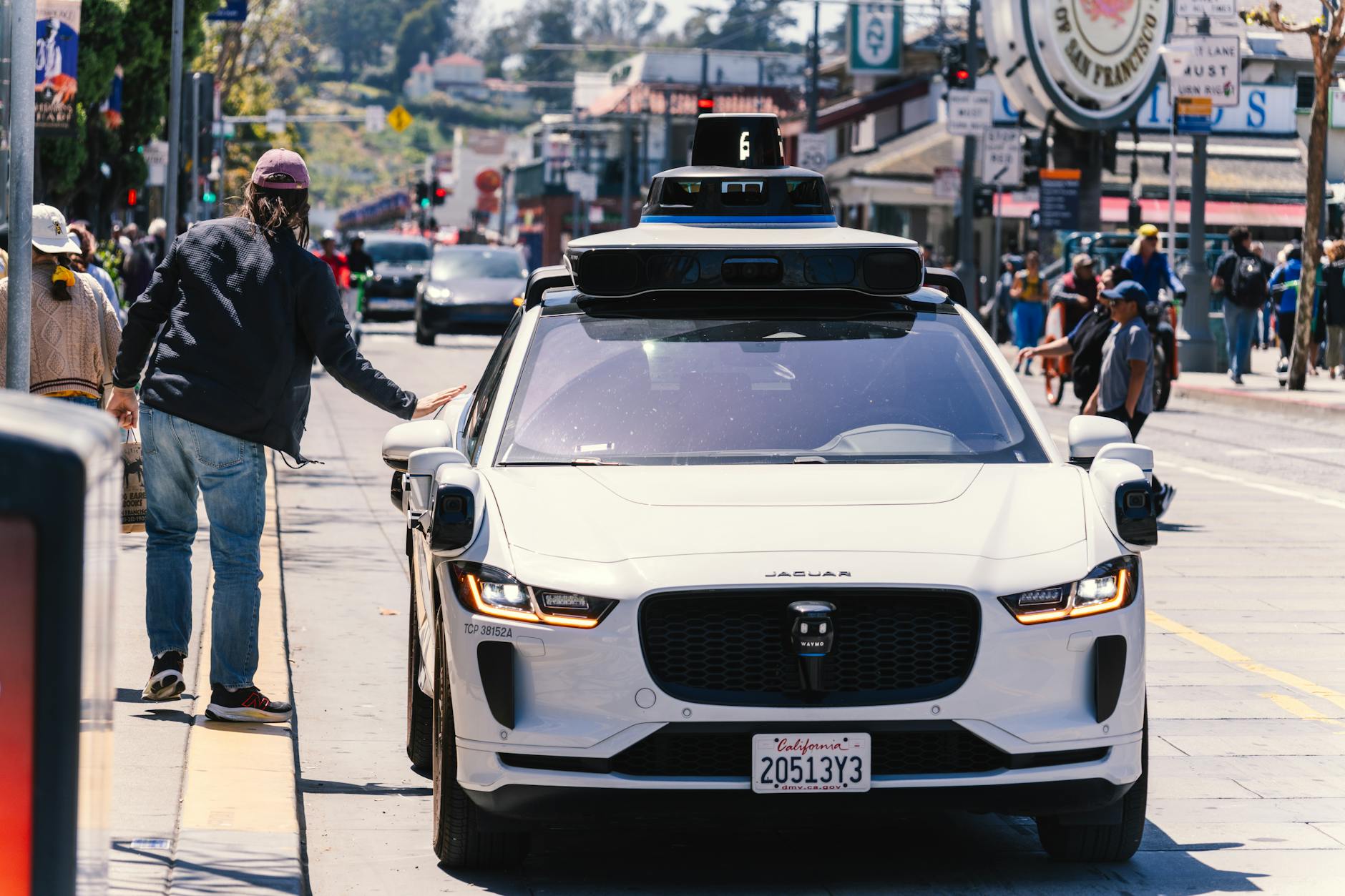
Waymo, the autonomous vehicle company owned by Alphabet, is gearing up to launch its driverless taxi service in London, aiming to begin operations as early as September. This significant move marks Waymo's first foray into the UK market, a key milestone in its global expansion strategy. The UK government is also making strides to adapt regulations to accommodate this new technology, with a pilot service expected to start in April. Local Transport Minister Lilian Greenwood has expressed optimism about the safety enhancements that autonomous vehicles could bring to city roads, highlighting the potential for reduced traffic accidents and improved urban mobility.
The initiative is part of a broader vision for the UK's transportation future, where driverless cars could contribute significantly to the economy and job market. The government estimates that the autonomous vehicle sector could inject 42 billion into the UK economy by 2035 and create around 40,000 new jobs. This potential economic boost is particularly important as cities worldwide grapple with the challenges of urban congestion and the need for sustainable transport solutions. As Waymo prepares to launch its service, it will use a combination of cutting-edge technology and safety measures to ensure a reliable and secure experience for passengers.
Waymo's robotaxis, which will initially be available for hailing through an app, will not include airport drop-offs in their early phases. This decision reflects a cautious approach to integrating the new technology into existing transport frameworks. The vehicles are equipped with a sophisticated array of sensors, including lidar, vision, radar, and microphones, giving them a comprehensive understanding of their environment. This advanced technology allows them to be aware of their surroundings up to three football fields away, even in adverse weather conditions, which is crucial for navigating the busy streets of London.
A powerful onboard computer processes the data gathered by these sensors in real-time to make driving decisions. This level of technological sophistication is a testament to the advancements in AI and machine learning that underpin Waymo's operations. As the launch date approaches, Waymo has already begun mapping the streets of London with its fleet, which currently includes safety drivers. However, once the service officially starts, these vehicles will operate without human intervention, marking a significant step towards fully autonomous transportation.
Greenwood emphasized the importance of ensuring that autonomous vehicles meet stringent safety standards, particularly concerning cybersecurity and protection against hacking. As autonomous vehicles become more integrated into urban environments, the potential risks associated with cyber threats cannot be overlooked. Ensuring the safety of passengers and pedestrians alike is paramount, and the government is keen to establish a robust regulatory framework that prioritizes these concerns.
The introduction of driverless taxis is expected to transform urban transportation, making it safer and more efficient. Greenwood noted that unlike human drivers, automated vehicles do not experience fatigue, distraction, or impairment, which are common factors in traffic accidents. This shift could lead to a significant reduction in road incidents, enhancing the overall safety of passengers and pedestrians alike. Furthermore, the deployment of autonomous vehicles could help alleviate congestion in busy urban areas, as these vehicles are designed to optimize routes and reduce idle time.
While Waymo is making significant strides in the UK, it is not alone in the race for autonomous taxi services. Competitors like Uber and Lyft are also preparing to enter the market, having partnered with Chinese firm Baidu for their own robotaxi offerings. This increasing competition reflects a growing global interest in autonomous vehicle technology, as cities look for innovative solutions to transportation challenges. As the market becomes more crowded, companies will need to differentiate their services and demonstrate the reliability and safety of their vehicles to gain consumer trust.
Waymo's vehicles have already driven an impressive 173 million miles fully autonomously, primarily in the United States, with a fleet of 1,000 robotaxis operating in San Francisco and 700 in Los Angeles. This extensive operational experience provides Waymo with a wealth of data to refine its technology and improve its service offerings. However, the company has faced challenges, including reports of vehicles malfunctioning, which have occasionally left passengers trapped inside. Despite these setbacks, Waymo remains committed to refining its technology and ensuring a seamless experience for users. The lessons learned from these challenges will be crucial as the company navigates the complexities of launching in a new market like London.
As the UK prepares to embrace autonomous vehicles, the implications for urban transportation are profound. With the potential to alleviate traffic congestion and enhance mobility, driverless taxis could reshape how people navigate cities. The government's proactive approach to regulation indicates a willingness to adapt to new technologies while prioritizing safety and public welfare. This adaptability is essential for fostering an environment where innovation can thrive, particularly in a sector as dynamic and rapidly evolving as transportation.
As the launch date for Waymo's robotaxi service draws closer, many are left wondering how this innovation will impact daily commuting and the broader transport landscape. The excitement surrounding autonomous vehicles suggests a future where technology and transportation are increasingly intertwined, paving the way for a new era of mobility. With the anticipated launch of Waymo's service in London, the stage is set for a transformative shift in how people think about travel within urban environments. The success of this initiative could serve as a model for other cities worldwide looking to integrate autonomous technology into their transportation systems.