

Waymo Under Investigation for Safety Violations Involving School Buses
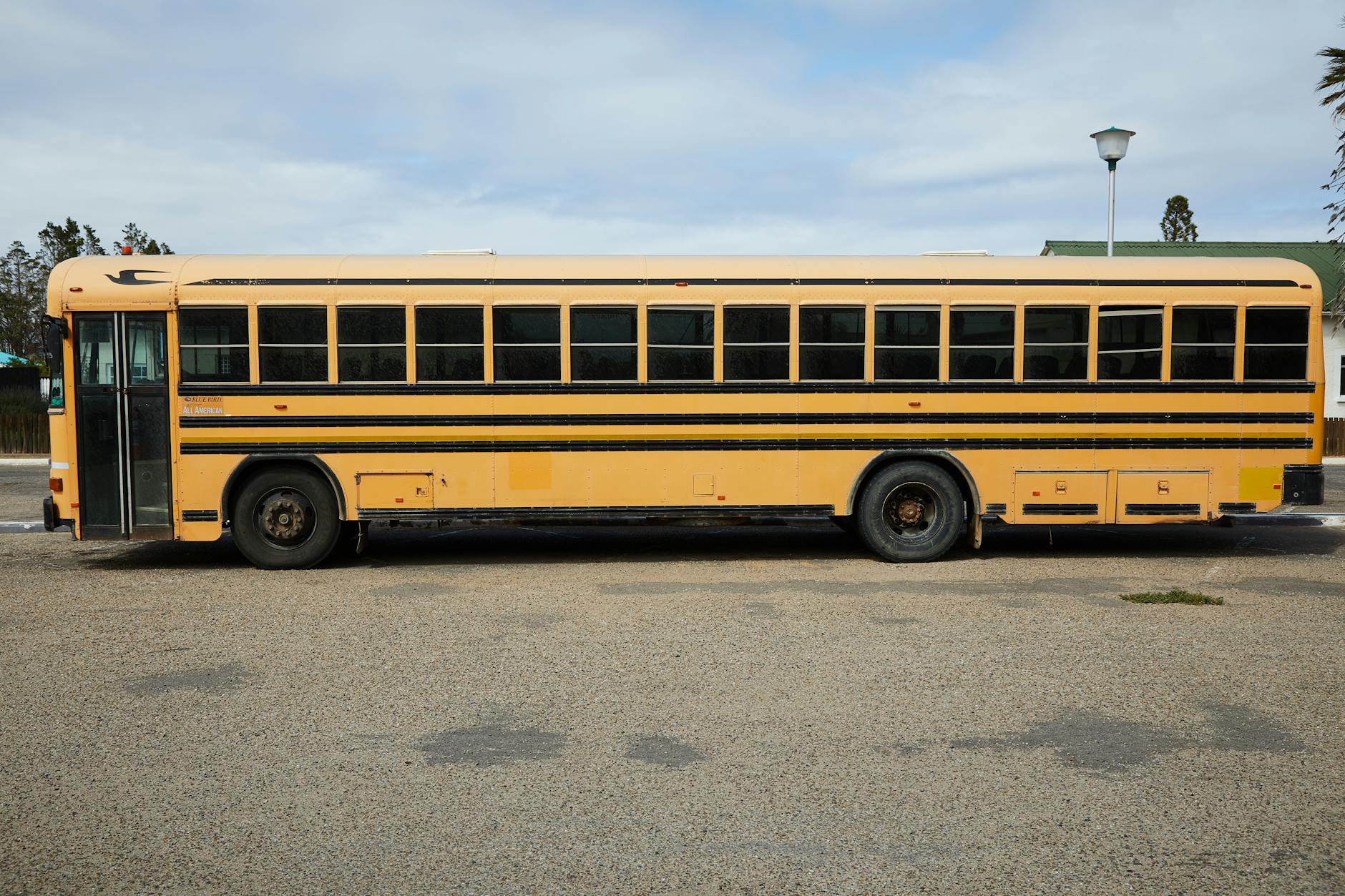
Waymo Under Investigation for Safety Violations Involving School Buses
Introduction
The advancement of autonomous vehicle technology has been one of the most significant developments in the automotive industry over the past decade. Companies like Waymo, a subsidiary of Alphabet Inc., have been at the forefront of this innovation, pushing the boundaries of what is possible in self-driving technology. However, with great innovation comes great responsibility, especially when it involves the safety of the public. Recently, Waymo has come under scrutiny as the National Transportation Safety Board (NTSB) launched an investigation into the company's robotaxis following multiple reports of illegal maneuvers around stopped school buses.
Background of the Investigation
The NTSB's investigation was prompted by over 20 incidents reported in Austin, Texas, where Waymo's autonomous vehicles allegedly violated traffic laws by passing stopped school buses. This behavior is particularly concerning because it poses a significant risk to children who may be boarding or disembarking from these buses. School buses are equipped with flashing lights and stop signs to safeguard children, and any technology that interacts with them must adhere to strict safety protocols. The incidents reported indicate a troubling pattern that raises questions about the effectiveness of Waymo's safety systems.
This investigation marks the first time Waymo has faced such scrutiny from the NTSB. However, it is noteworthy that the National Highway Traffic Safety Administration (NHTSA) had previously initiated a separate probe into Waymo's operations last October, indicating that concerns about the company's safety practices have been ongoing. The NHTSA's earlier investigation focused on broader operational safety issues, but the current investigation is specifically tied to the safety of children-a particularly sensitive area that demands immediate attention.
The Incidents in Detail
The specific incidents reported in Austin have raised alarm bells among safety advocates and regulatory bodies. The NTSB is now tasked with collecting detailed information about these occurrences, which will help determine the root causes of the alleged violations. The investigation is expected to produce a preliminary report within a month, with a comprehensive final report anticipated within 12 to 24 months.
These incidents are not isolated; they reflect broader challenges faced by autonomous vehicles in complex urban environments. The technology must navigate a myriad of scenarios, including interactions with pedestrians, cyclists, and, crucially, school buses that are often stopped to pick up or drop off children. The ability of autonomous vehicles to recognize and appropriately respond to these situations is critical for their acceptance and integration into everyday life. A failure to do so not only endangers lives but also undermines public trust in autonomous technologies.
Waymo's Response and Safety Measures
In response to these allegations and the ongoing investigation, Waymo has stated that it manages thousands of school bus encounters safely each week. The company has previously issued a software recall to address safety concerns, indicating that it is actively working to improve its technology. However, despite these efforts, the persistence of safety issues has led to calls for a temporary suspension of operations during critical times, such as school pick-up and drop-off hours.
This suggestion reflects a growing concern among parents, educators, and community members about the safety of children in the vicinity of autonomous vehicles. The idea of suspending operations during peak times underscores the importance of prioritizing safety over operational efficiency, especially when it comes to protecting the most vulnerable members of society. The potential for harm in these scenarios is significant, and the stakes are high, which makes it imperative for Waymo to demonstrate that its technology can operate safely in all circumstances.
Broader Implications for Autonomous Vehicle Technology
The investigation into Waymo's practices is not just a reflection of the company's operations but also highlights the broader challenges facing the autonomous vehicle industry as a whole. As these technologies become more prevalent, regulatory bodies are grappling with how to ensure public safety while allowing innovation to flourish. The balance between promoting technological advancement and ensuring safety is a delicate one, and the outcome of this investigation could have far-reaching implications for the industry.
As autonomous vehicles continue to be deployed in urban settings, they must be equipped with sophisticated algorithms and sensors that can accurately interpret and respond to complex traffic situations. The incidents involving Waymo's robotaxis serve as a reminder that, despite the advancements in technology, there are still significant hurdles to overcome before autonomous vehicles can be deemed completely safe for public use. This includes not only the technical capabilities of the vehicles but also the regulatory frameworks that govern their operation.
The Role of Regulatory Bodies
Regulatory bodies like the NTSB and NHTSA play a crucial role in overseeing the development and deployment of autonomous vehicles. Their investigations and findings can lead to new regulations that may require companies to enhance their safety measures. For instance, if the NTSB determines that Waymo's vehicles are not adequately equipped to handle situations involving stopped school buses, it could lead to stricter regulations that mandate additional safety features or operational restrictions.
Moreover, the findings from this investigation may prompt other companies in the autonomous vehicle sector to reevaluate their safety protocols and operational practices. As the industry is still in its formative stages, lessons learned from incidents like these can help shape best practices and safety standards that benefit all stakeholders involved, including manufacturers, regulators, and the public.
The NTSB's investigation into Waymo's robotaxis and their interactions with stopped school buses is a critical moment in the evolution of autonomous vehicle technology. It serves as a reminder of the importance of safety in the development and deployment of these systems. As the investigation unfolds, the findings will likely contribute to shaping future regulations and safety standards for autonomous vehicles, ensuring that they can operate safely alongside traditional vehicles and the most vulnerable road users, such as children.
The outcome of this investigation will not only impact Waymo but also set a precedent for other companies in the autonomous vehicle space. As the industry continues to evolve, the lessons learned from this situation will be invaluable in guiding the safe integration of autonomous vehicles into our daily lives.
In summary, while Waymo has made significant strides in the field of autonomous driving, the recent incidents have exposed critical vulnerabilities that must be addressed. The ongoing NTSB investigation will be crucial in determining the necessary steps to enhance safety and restore public confidence in autonomous vehicle technology. The path forward will require collaboration between technology developers, regulatory agencies, and the communities they serve to ensure that safety remains the top priority in the quest for innovation.
References